Is Reykjavík Cheap To Visit?
A cost-by-cost answer for Reykjavik: what a day actually runs, which attractions are free, which charge, and how a pay-what-you-want walk fits a tight budget.
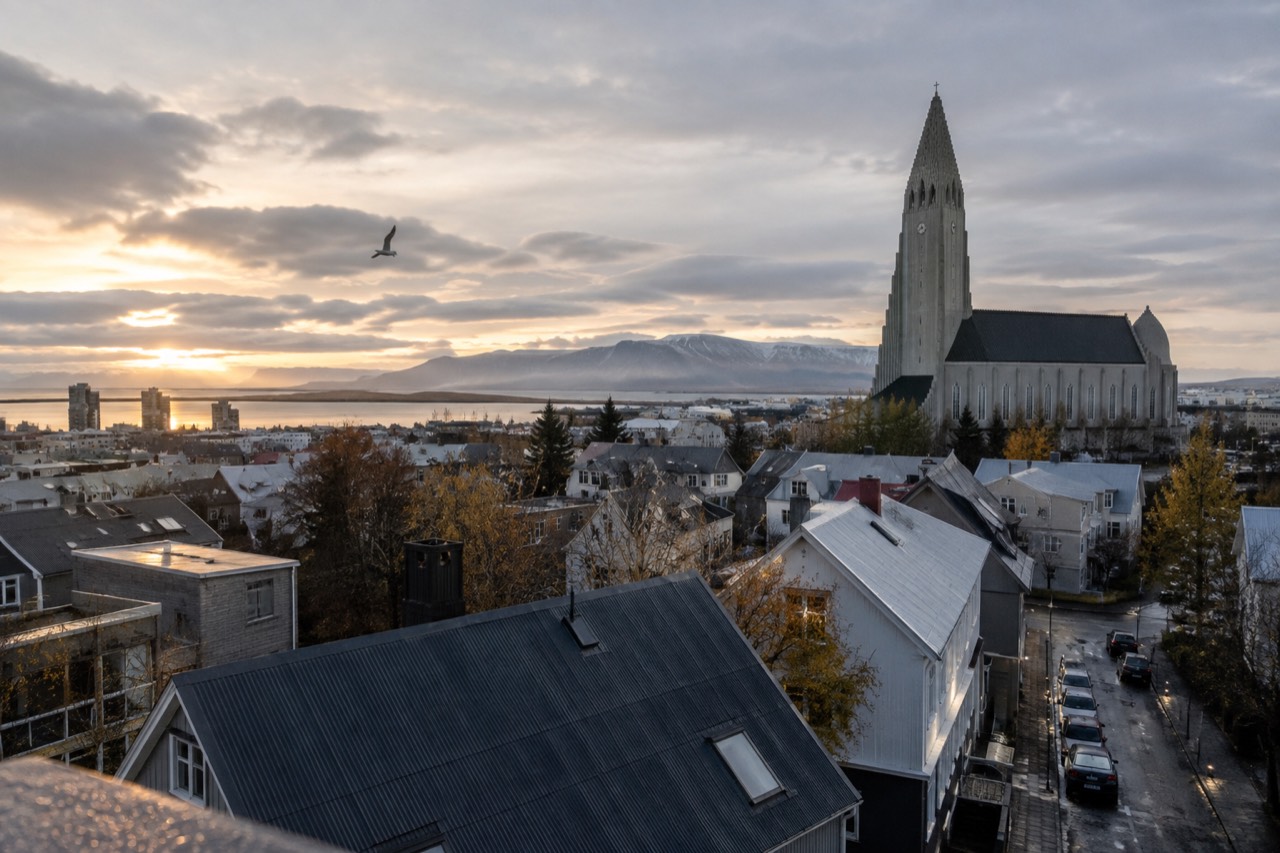
Is Reykjavík Cheap To Visit?
No, Reykjavík is not a cheap city by the standards of most European capitals, but it is far cheaper than its reputation suggests if you plan around what is free. Iceland's capital rewards travelers who book early, eat smart, and take advantage of its walkable center, geothermal pools, and no-cost natural attractions, so a well-planned trip costs far less than most visitors expect before they arrive. A single bus fare is 690 ISK, a hot dog with everything runs 600 to 820 ISK, and a public pool entry costs 1,500 ISK. Against that, the Sun Voyager, Harpa's foyer, Rainbow Street, Tjörnin, the Botanic Garden and the Old Harbour all cost nothing, and both major walking tours run on tips alone, so a guided two hours of the city can cost whatever you decide they were worth.
The honest answer has two layers. The first is that the things many visitors assume they must pay for, museums, the church tower, the geothermal beach, the Perlan deck, genuinely do charge, and those prices add up fast when treated as defaults. The second is that the list of things with no ticket at all is longer than most guidebooks admit, and the city's official tourism body maintains its own page of free things to do. The gap between a punishing Reykjavik day and a reasonable one is mostly a planning gap, not a luck gap.
This page works through the numbers one at a time: what a day costs, which attractions charge and which do not, what food and transport run, and where the free alternatives sit. Where a figure is a reported range rather than a fixed tariff, it says so. And where something is free with a condition attached, the condition travels with the claim, because a conditionally free attraction is never simply free.
The walking tours deserve their place at the top of any budget answer because they are the one guided experience in Reykjavik with no fixed price at all. The dominant one is CityWalk's free tour, listed on freetour.com, which runs two hours from Austurvöllur square in front of the Parliament building every day at 10:30 and 13:30. freetour.com lists it at 9.6 out of 10 from 6,683 reviews, which makes it the long-running, dominant free walk in this city by a wide margin. You pay what you feel it was worth at the end, in cash or by card, and the route covers about two kilometres, from Parliament past Laugavegur, Tjörnin, Grjótaþorp and Rainbow Street to City Hall.
The smaller option is the Sweet Streets walk on GuruWalk, rated 4.6 out of 5 across 87 GuruWalk reviews, running about two hours in English and Spanish. Its English departures run Monday, Thursday, Friday, Saturday and Sunday at 11:00, and it is cash only, which matters: on a pay-what-you-want walk the tip is the whole payment, so a visitor with no kronur cannot pay the guide. There is also a Spanish-language legends walk by Rainbow Tours, new on GuruWalk with no reviews yet, but for an English speaker the real choice is between two walks, not three.
What Does A Day In Reykjavik Actually Cost?
A bare-bones day in Reykjavik typically costs 3,000 to 5,000 ISK per person before accommodation, covering a hot dog or supermarket lunch, a coffee, a bus fare or two, and a pool entry. Add a sit-down dinner or a couple of museum tickets and that figure can climb quickly, so budget travelers should plan around these basics when mapping out daily spending. Add one paid museum and one restaurant meal and the same day climbs steeply, since the museums alone run 2,550 to 3,300 ISK each. The swing between a lean day and a heavy one is entirely down to choices, because the free layer of the city, walks, sculptures, parks, waterfront, covers most of a full day on its own without a single ticket.
Here are the reported 2026 figures that matter, drawn from official tariffs and visitor reports:
| Item | Typical cost | Notes |
|---|---|---|
| Strætó single bus fare | 690 ISK | Contactless or app, valid 75 minutes with transfers |
| Hot dog with everything | 600–820 ISK | Frequently cited as the top budget meal |
| Café coffee | 700–900 ISK | Petrol stations run lower, roughly 300–400 ISK |
| Draught beer (0.5L) | 1,400–1,800 ISK | Happy hour often 800–1,000 ISK |
| Public pool entry | 1,500 ISK | Adult single, tariff in force since May 2026 |
| Casual café meal | around 3,300 ISK | Reported range for an inexpensive sit-down option |
| Hallgrímskirkja tower | 1,500 ISK | Adults, from June 2026; the nave itself has no ticket on the price list |
| Reykjavík Art Museum | 2,550 ISK | Under-18 free, ticket valid 24 hours at all three sites |
Two structural costs sit outside the table. Getting in from Keflavík Airport is unavoidable: the Flybus runs 3,999 ISK one-way to the BSÍ terminal, or 5,299 ISK with hotel stops, while the public Strætó route 55 is cheaper at roughly 2,400 ISK. And the city charges a lodging tax of 800 ISK per night per room in hotels and guesthouses, collected on the sale, so it is baked into whatever you pay for a bed and never appears as a separate line on your bill.
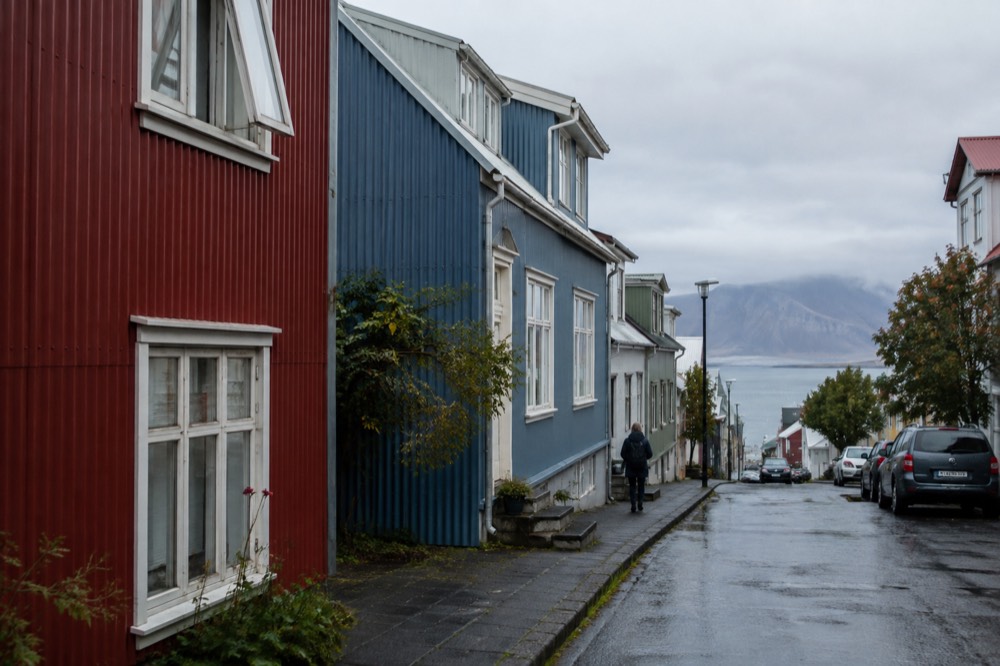
The pool entry deserves a note, because it is the best value in the city rather than a cost to avoid. At 1,500 ISK an adult gets the geothermal water, the hot pots and the outdoor lanes that locals treat as a daily ritual. Children 10 to 17 pay 400 ISK and under-10s enter free with an adult. Cheap is not free, but this is the closest Reykjavik gets to paying almost nothing for something genuinely Icelandic, and the May 2026 tariff update actually made annual passes cheaper, cutting the adult pool annual pass by 29 percent to 34,000 ISK for anyone staying long enough to use one.
If you want a structured introduction to the city before deciding where your money goes, the tip-based walk is the natural first morning. There is no upfront fee to weigh, only what you choose to hand the guide at the end, and the two daily departures mean it slots into either half of a first day without rearranging anything else. You can See this free tour on its own listing.
Which Reykjavik Attractions Are Free And Which Charge?
The free list is long and central: the Sun Voyager, Harpa's foyer and its ground-floor sound installation, Rainbow Street, Tjörnin pond, the Botanic Garden, the Einar Jónsson sculpture garden, the Old Harbour, Öskjuhlíð hill and 160-plus mapped street-art works. The paid list is equally specific: the Hallgrímskirkja tower at 1,500 ISK, all three Reykjavík Art Museum sites at 2,550 ISK, the National Museum at 3,300 ISK, the geothermal beach at 1,500 ISK, and Perlan's deck, which cannot be bought separately from a full ticket at all. Knowing which column an attraction sits in is most of the battle.
The traps are worth naming, because they are widely misdescribed. Nauthólsvík geothermal beach is often called free in summer; it is not, the official tariff is one flat entrance pass year-round, 1,500 ISK for adults, matching the city pool tariff. Perlan's observation deck is included in every ticket and cannot be purchased on its own, so the free alternative is the walk up Öskjuhlíð hill behind it, which the city's own tourism site recommends as an equally good view. And the Reykjavík City Card, at 6,100 ISK for 24 hours, is a paid product: anything described as "free with the City Card" is not free, whatever the marketing implies. Other pages covering the same trip are gathered on Free Things To Do In Reykjavik.
Árbæjarsafn, the open-air museum, sits in the paid column too. Adults pay 2,550 ISK, though under-18s get in free, which makes it a different proposition for a family than for a solo traveller. It is a collection of relocated historic buildings rather than a gallery, so it rewards a slow afternoon rather than a quick stop, and the free-entry age threshold means a family of four with young children pays for two tickets, not four.
FlyOver Iceland is the clearest example of a price that surprises people. The listing shows 5,690 ISK online and 6,250 ISK at the gate, and while the site's currency selector indicates ISK, the page does not print the currency, so treat the figure with that caveat. It is a simulator ride, not a sight, and nothing about Reykjavik requires it. The same money buys more than three pool entries or a week of hot dogs, which is the comparison a budget visitor should actually be making.
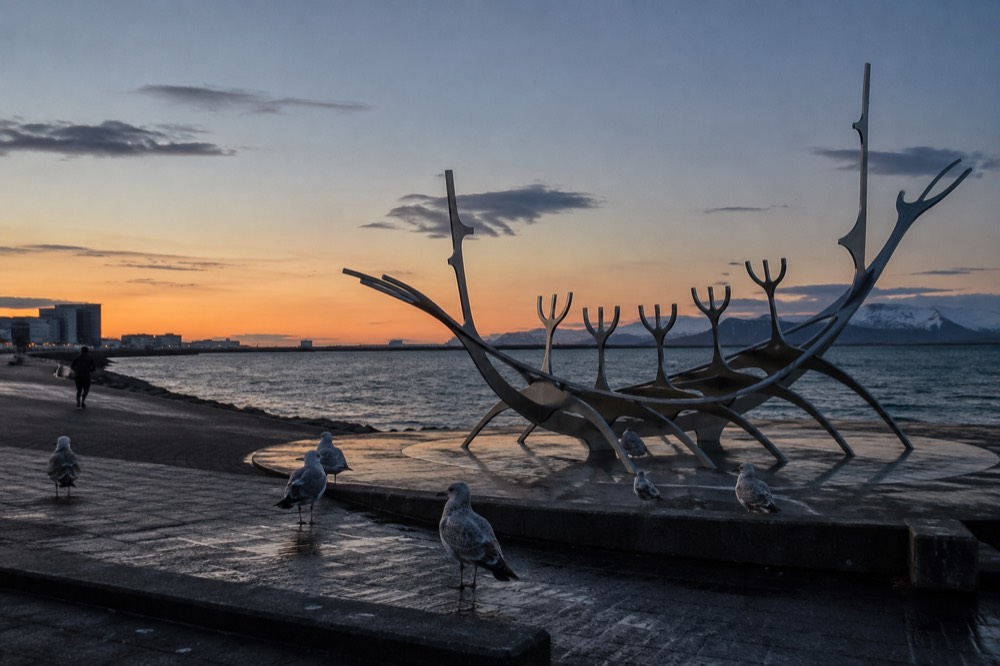
The genuinely free layer, by contrast, needs no caveats. The Sun Voyager, the steel dream-boat on Sæbraut, is an unfenced public sculpture. Harpa's foyer and the Hljóðhimnar sound installation on its ground floor are free during opening hours, and the building's facade alone justifies the walk. Rainbow Street, the painted Skólavörðustígur climbing toward Hallgrímskirkja, is a public street. Tjörnin and its surrounding park are open to all, and the Botanic Garden is, in the city's own words, always open, with the greenhouse keeping separate hours. The Old Harbour and the Grandi district, including the Þúfa art mound with its 360-degree view, are public quays where the walking and the watching cost nothing. One of the free walking routes passes through here: Morning Walk From Harpa, Cash Tips.
For a fuller rundown of the no-ticket layer, see what you can do for free in Reykjavik, and for the traps in one place, the free attractions guide separates the genuinely free from the conditionally free.
Can You Fill A Reykjavik Day Without Spending Anything?
Yes, a full Reykjavik day can be built entirely from free pieces: a morning walk route, Harpa, the sculpture garden, Tjörnin, the Botanic Garden, the Old Harbour, and an evening aurora watch, with no admission fees or paid attractions required at any point along the way. The only unavoidable costs on such a day are food and, if you use it, the bus. Even the guided walk can be free in the strict sense, since the tip is discretionary, though bringing cash to pay it properly is the right thing to do, and the guides rely on those tips as their income from the walk. One of the free walking routes passes through here: Spanish-Language Legends Walk.
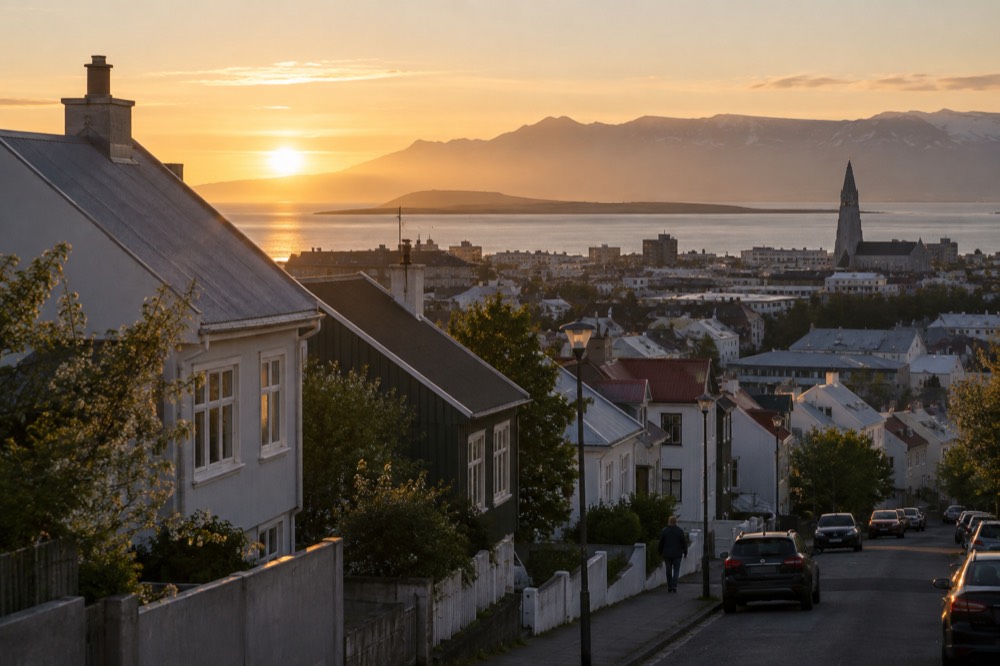
The seasonal pieces make some days better than others. In summer the midnight sun is free by definition: around the June solstice Reykjavik gets over 21 hours of daylight, and the extra hours cost nothing to use. In winter the northern lights season, September to April, turns public parks into viewing platforms, with the city's tourism site naming Klambratún, Öskjuhlíð, Grótta and Elliðaárdalur among the spots locals use. No tour required, just a clear sky and dark, and a willingness to walk a little way out of the brightest streets.
The festival calendar adds free days that can anchor a whole trip. Culture Night, Menningarnótt, fills the city with free museum entry, street performance and fireworks, and even the buses run free for an hour after the show. Museum Night in February opens participating museums at no charge. National Day on 17 June brings a parade, ceremonies and park concerts with no ticket anywhere. And on New Year's Eve the city lights roughly ten community bonfires, open to everyone, with personal fireworks banned at the sites.
A word on Grótta, the lighthouse at Seltjarnarnes, because it appears on every free-things list and carries a real condition: the causeway floods at high tide, and all access is banned from 1 May to 15 July for the arctic tern nesting season. Free, but only when the tides and the calendar allow. The Kvika foot bath on the same peninsula is free year-round with no entrance fee at all, and the nature reserve around Grótta was expanded in July 2026, which reinforces rather than changes the access rules.
The Sweet Streets walk fits this section too, since its GuruWalk tip model means the price is whatever you decide. It meets at the Harpa building, which conveniently starts a free day at the free end of the city, and its 11:00 English slot leaves the whole afternoon for the waterfront and the parks. Both GuruWalk walks offer free cancellation if plans shift, with the guides asking only that you cancel rather than no-show.
How Do You Keep The Total Down?
The three biggest levers are accommodation location, self-catering, and choosing free over paid at every fork: a supermarket picnic instead of a café, the Öskjuhlíð hill instead of the Perlan deck, and the public bus instead of a tour bus. Staying somewhere with a kitchen and walking access to the city center cuts costs before you even leave your room each morning. None of these are deprivations. The supermarket layer, Bónus and Krónan, covers picnic basics for roughly 900 to 2,500 ISK per person, and the pool at 1,500 ISK is the cheapest genuinely Icelandic experience on offer anywhere in the capital.
Transport is a smaller lever than people expect, because central Reykjavik is walkable. The free CityWalk route covers about two kilometres, and most of the free attractions sit inside that radius. A single bus fare at 690 ISK is only worth paying for trips out of the centre, and children 11 and under ride free. If you are weighing a car, note the new per-kilometre road tax in force since January 2026, which shifts self-drive costs, and that central parking runs 660 ISK an hour in the P1 zone, free on listed public holidays and outside paid hours.
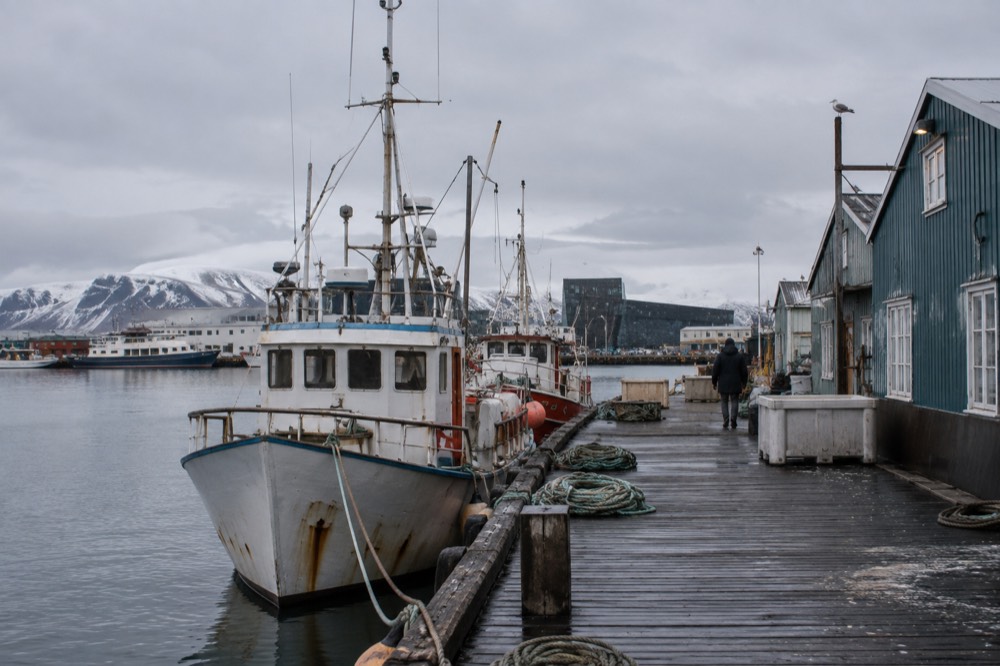
For deeper planning, Iceland on a budget covers the country-wide picture, and the question is Iceland expensive tackles the national reputation this page has narrowed to one city. The short version of this page's answer, though, stands on its own: Reykjavik is not cheap, but a visitor who knows which line items carry a ticket and which do not can spend a full day here for the price of lunch, and the biggest single saving available is simply knowing that the two best introductions to the city, its walking tours, have no price printed on them at all.
Common Questions About Visiting Reykjavik On A Budget
Is Reykjavík Cheap To Visit?
Not by European capital standards, but it is far cheaper than its reputation with planning. The free layer, including the Sun Voyager, Harpa's foyer, Tjörnin, the Botanic Garden, the Old Harbour and two tip-based walking tours, covers most of a full day at no cost. The paid items, museums, the church tower, the geothermal beach, add up quickly if you treat them as defaults.
How much is a hot dog in Reykjavik?
A pylsa with everything, the classic budget meal, runs roughly 600 to 820 ISK from the harbour stands. It is frequently cited as the single best cheap eat in the city.
Is the Reykjavik City Card worth it?
The card is a paid product, 6,100 ISK for 24 hours, 8,500 for 48 and 10,500 for 72. It only pays off if you plan to visit several paid museums and pools in a short window. Anything described as free with the card is not free.
Are the free walking tours really free?
They are pay-what-you-want: no upfront fee, and you tip the guide at the end. CityWalk's tour takes cash or card; the Sweet Streets walk on GuruWalk is cash only, so bring kronur. Typical tips run 2,000 to 5,000 ISK per person.
Is the Nauthólsvík geothermal beach free?
No. Despite a widely repeated claim of a free summer window, the official tariff is one flat entrance pass year-round, 1,500 ISK for adults, 400 ISK for ages 10 to 17, free for under-10s with an adult.
What is the cheapest way from Keflavik Airport to Reykjavik?
Strætó route 55 costs roughly 2,400 ISK adult, against 3,999 ISK for the Flybus to the BSÍ terminal. The bus is slower but roughly half the price.