What To See In Reykjavík For Free?
Discover Reykjavík's best free sights, from the Sun Voyager and Harpa to street art, parks, and free walking tours. A practical guide to seeing the city without spending a króna.
What To See In Reykjavík For Free?
Reykjavík offers a surprising number of free sights: the Sun Voyager sculpture, the Harpa concert hall foyer, Rainbow Street, Tjörnin pond, the Old Harbour, street art, botanical gardens, and several nature reserves. You can see most of them on foot, and a free walking tour is the easiest way to connect the dots without missing the stories behind them. The only real cost is a tip if you choose to give one.
On Free Things To Do In Reykjavik we have tracked down everything that is genuinely free, conditionally free, or commonly mistaken for free. The city centre is walkable and compact, so you can cover a dozen sights in an afternoon without spending a single króna. The two free walking tours that operate in English are a smart starting point: they give you the lay of the land and the history behind the landmarks, and you pay only what you feel the tour was worth at the end.
CityWalk Reykjavík runs the long‑established English‑only free tour, rated 9.6 out of 10 across 6,683 freetour.com reviews. It departs twice daily at 10:30 and 13:30 from Austurvöllur square in front of the Parliament building, covers about 2 km in two hours, and finishes at City Hall. The route touches Parliament, Laugavegur, Lake Tjörnin, Grjótaþorp, Rainbow Street, and City Hall, while Harpa and Hallgrímskirkja are seen from a distance. The guide is Marteinn Briem, an Icelandic history graduate who has been running the walk since 2014. You can book through the freetour.com listing, and the walk runs every day year‑round. One of the free walking routes passes through here: Spanish-Language Legends Walk.
The smaller English‑language option is Sweet Streets of Reykjavík, a GuruWalk tour rated 4.6 out of 5 across 87 GuruWalk reviews. It starts at 11:00 on Monday, Thursday, Friday, Saturday and Sunday from inside the Harpa building, lasts two hours, and covers history, culture and an Icelandic candy tasting. The guide speaks both English and Spanish. This walk is cash‑only for tips, so bring króna or euros if you plan to join. A Spanish‑only walk by Rainbow Tours also exists, but for English speakers there are exactly two free walks to choose from.
A free walking tour is a genuine bargain, but it is not the only way to see the city. The table below lists the top free sights you can visit independently, all within walking distance of the centre.
| Sight | Location | Notes |
|---|---|---|
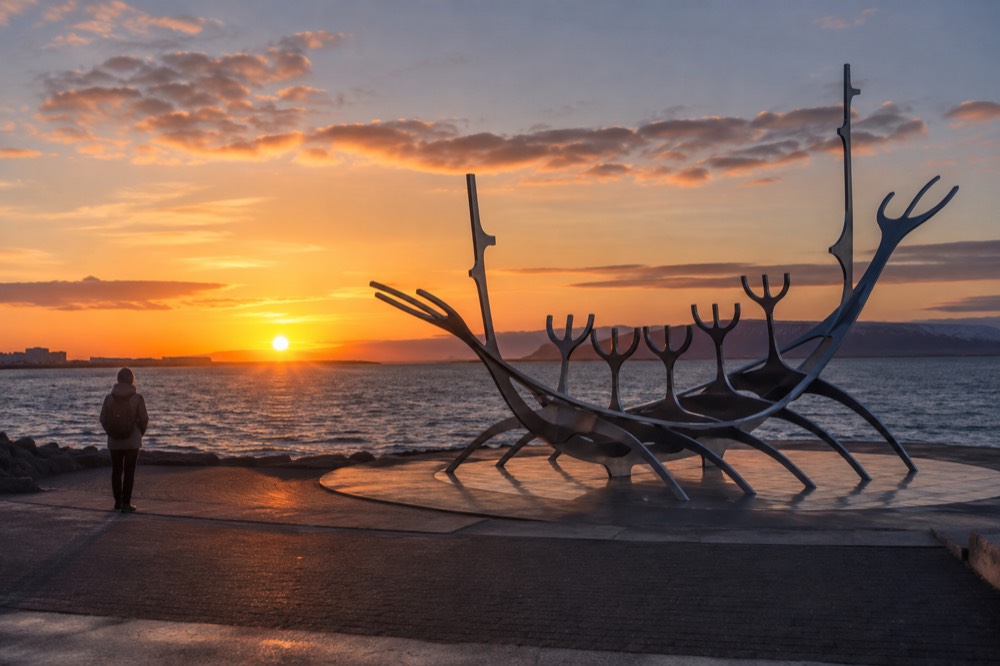
| Sun Voyager (Sólfar) | Sæbraut waterfront | Iconic steel sculpture, free year‑round |
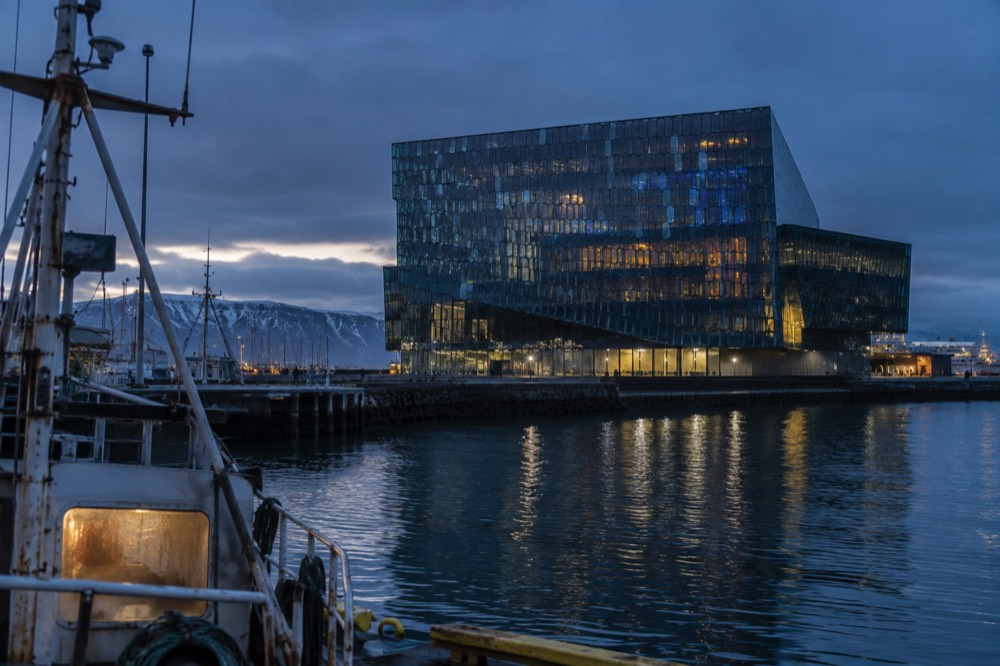
| Harpa concert hall foyer | Austurbakki 2 | Free entry to the ground‑floor Hljóðhimnar sound installation, open Sun–Tue 10–18, Wed–Sat 10–20 |
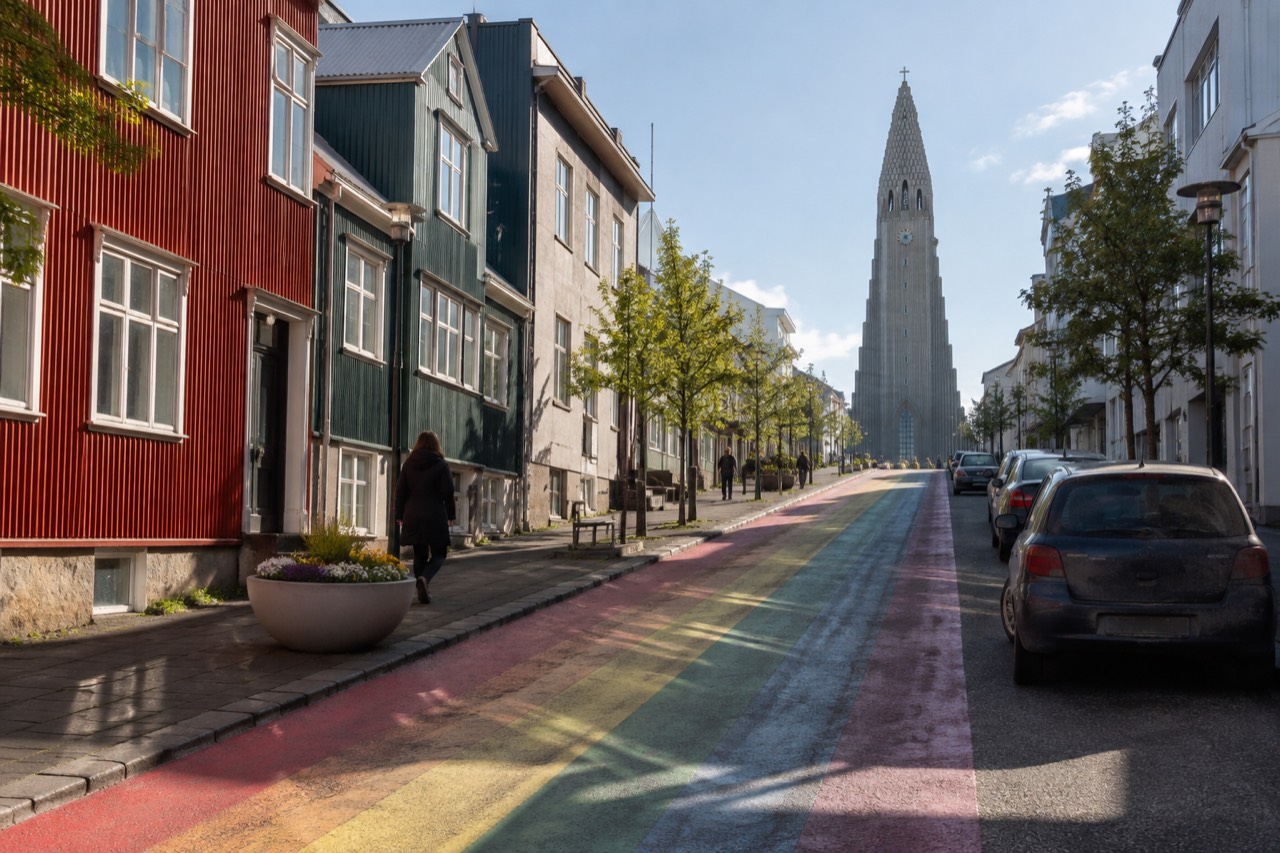
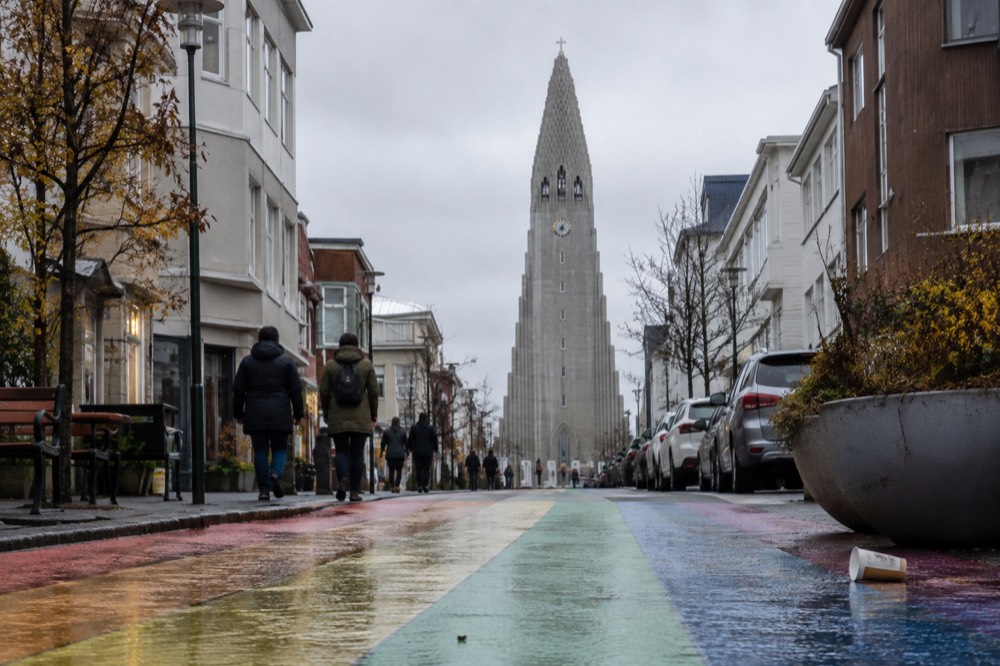
| Rainbow Street (Skólavörðustígur) | Downtown | Painted street leading up to Hallgrímskirkja, free to walk |
| Tjörnin pond & Hljómskálagarður | City centre | Feed the ducks, walk the park, free |
| Austurvöllur square | Next to Parliament | Public square and park, free |
| Reykjavík street art | Citywide | Over 160 mapped works, all free to view |
| Old Harbour & Grandi | Grandi district | Waterfront walk, Þúfa mound for a 360° view, free |
| Reykjavík Botanic Garden | Laugardalur | Garden always open, greenhouse summer 10–18, winter 10–15, free |
| Elliðaárdalur valley | East Reykjavík | Paved paths, river, free |
| Heiðmörk nature reserve | Outskirts | 3,200 ha of trails, free |
The CityWalk tour passes many of these spots, and the guide’s commentary adds context you would miss on your own. If you prefer to explore solo, the city’s compact grid makes it easy to walk from the Sun Voyager to the Old Harbour in under an hour.
What Free Sights Can You Walk To In Central Reykjavík?
The city centre packs a dozen free sights into a walkable loop from the Sun Voyager to the Old Harbour, passing Harpa, Rainbow Street, Hallgrímskirkja, and Tjörnin. You can complete it in two to three hours on foot, and every stop is free to enter or view. The only exception is the Hallgrímskirkja tower lift, which costs 1,500 ISK, but the nave and sculpture garden are free. This stop sits on a free walking route, Morning Walk From Harpa, Cash Tips.
Begin at the Sun Voyager, a stainless‑steel boat sculpture on the Sæbraut waterfront. It is one of Reykjavík’s most photographed spots, especially at sunrise or sunset, and there is no ticket or gate. From there, walk five minutes west to Harpa, the glass‑clad concert hall. The ground‑floor foyer and the Hljóðhimnar sound installation are free to enter during opening hours, and the geometric windows make for striking photos. A few blocks inland, Rainbow Street (Skólavörðustígur) rises toward Hallgrímskirkja. The street itself is a painted public artwork, and the church’s nave is free to visit. The tower lift, however, costs 1,500 ISK for adults, so the free view alternative is Öskjuhlíð hill, which we cover later.
From Hallgrímskirkja, walk behind the church to the Einar Jónsson Sculpture Garden, a free outdoor gallery of bronze casts. Then head down to Tjörnin, the city pond, where you can watch swans and ducks and stroll through Hljómskálagarður park. Austurvöllur square, the grassy heart of the city in front of Parliament, is another free stop. The Old Harbour and Grandi district, a 15‑minute walk north, give you a waterfront promenade, fishing boats, and the Þúfa mound, a grassy hill with a 360‑degree view of the harbour and mountains.
CityWalk’s free tour covers this exact loop, and the guide’s stories about the settlement, the sagas, and modern Reykjavík make the walk far richer than a self‑guided stroll. You can join the tour any day at 10:30 or 13:30 from Austurvöllur square and pay whatever you think it was worth at the end.
The street art scene adds another free layer to the centre. Over 160 works are mapped on the city’s official street art map, from large murals on Laugavegur to hidden pieces in side alleys. You can spend an hour hunting for them and never pay a króna. For a longer free walk, the coastal path from the Old Harbour to the Seltjarnarnes peninsula takes you past the Kvika foot bath, a small geothermal pool set into the rocks with no entrance fee, and on to the Grótta lighthouse area.
Is The Reykjavík City Card A Good Deal?
The Reykjavík City Card is not free, but it bundles entry to many paid museums, the city buses, and the swimming pools for a flat fee. A 24‑hour card costs 6,100 ISK, 48 hours 8,500 ISK, and 72 hours 10,500 ISK. If you plan to visit three or four paid attractions in a day, the card can save you money, but it is not a free‑sightseeing pass.
The card covers the Reykjavík Art Museum (normally 2,550 ISK), the National Museum (3,300 ISK), the Settlement Exhibition (3,100 ISK), Árbæjarsafn open‑air museum (2,550 ISK), and the city’s geothermal swimming pools (1,500 ISK per visit). It also includes unlimited Strætó bus travel within the capital area. For a visitor who wants to see several museums and take a dip at Laugardalslaug, the 24‑hour card can pay for itself after two museums and a pool visit. However, none of the genuinely free sights on this page require the card, and many travellers are happy sticking to the free outdoor attractions and a free walking tour.
If you are on a strict budget, skip the card and stick to the free sights and the tip‑based walks. The CityWalk tour, the Sun Voyager, Harpa’s foyer, street art, and the nature reserves cost nothing, and the money you save can go toward a hot dog at Bæjarins Beztu Pylsur or a coffee at a local café.
Grótta Lighthouse And The Seltjarnarnes Peninsula
Grótta is a free nature reserve and lighthouse on the Seltjarnarnes peninsula, about 15 minutes from the centre by car or bike. There is no admission charge, but the causeway to the lighthouse island floods at high tide, and the reserve is closed from 1 May to 15 July to protect nesting Arctic terns. Outside those dates, it is one of the best free sunset and northern‑lights viewpoints near Reykjavík.
The walk from the Kvika foot bath to the Grótta lighthouse takes about 20 minutes along a flat coastal path. The foot bath itself is a small, free geothermal pool set into the rocks, perfect for warming your feet while watching the sea. At low tide you can cross the causeway to the lighthouse island, but check the tide tables before you go: the water rises quickly and can strand you. The Arctic tern closure is strictly enforced, and during those 10 weeks you can only view the area from the mainland side. The reserve was expanded in July 2026 to include the Seltjörn wetland, reinforcing the protections.
Grótta is also one of the city’s top free spots for the northern lights, thanks to its dark horizon and lack of streetlights. The aurora season runs from September to April, and on clear nights with strong activity you can see the lights dancing over the sea. Bring warm layers and a headlamp. If you are driving, note that parking near the reserve is limited and may be charged; the official city parking zones (P1–P4) apply, with rates from 240 to 660 ISK per hour depending on the zone and time of day. Check the Reykjavík parking rules before you go.
Öskjuhlíð Hill And The Free View Over Reykjavík
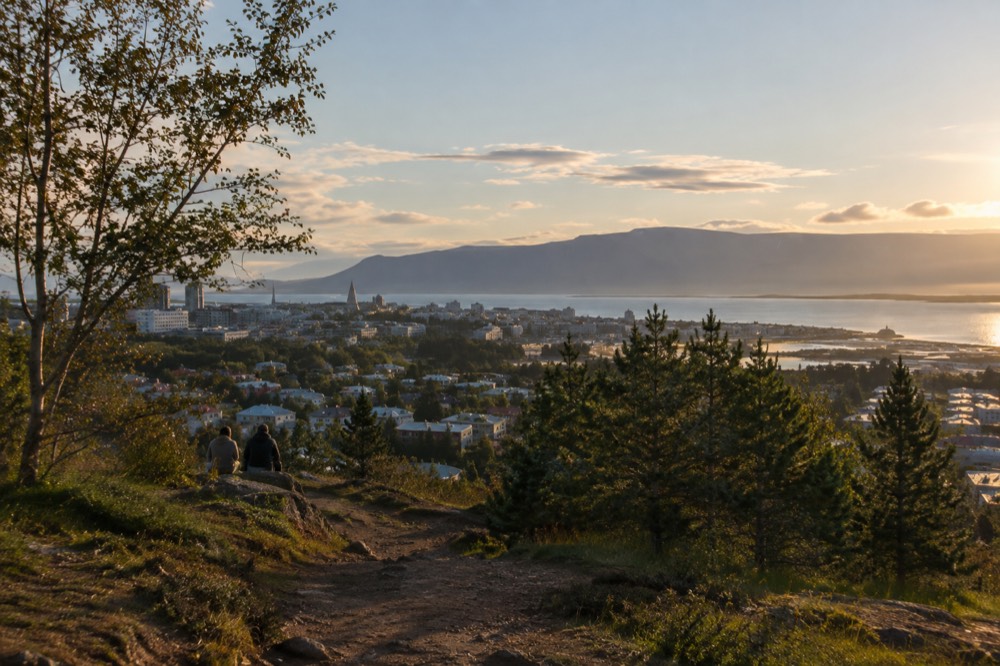
Öskjuhlíð is a wooded hill south of the centre, topped by the Perlan building. The hill itself is free to hike, with trails leading to a panoramic view of Reykjavík, the harbour, and the surrounding mountains. The Perlan observation deck, however, is only accessible with a paid museum ticket, so the free view is from the wooded clearings around the building.
The hill is crisscrossed with walking and cycling paths, and the climb from the nearest bus stop takes about 15 minutes. At the top, you get a 360‑degree view that rivals the Hallgrímskirkja tower, without the 1,500 ISK lift fee. The woods are a remnant of a World War II US military base, and the trails pass old bunkers and artillery positions. Öskjuhlíð is also a free northern‑lights viewing spot in winter, as the trees block some of the city’s light pollution.
If you want a longer hike, Mount Esja, the iconic mountain across the bay, is a free day hike reachable by Strætó bus. The trails are well marked, and the view from the Steinn stone at the top is worth the effort. The bus fare is 690 ISK each way, but the hike itself costs nothing. For a gentler free nature walk, the Elliðaárdalur valley in east Reykjavík has paved paths along a salmon river, and the Heiðmörk nature reserve, a 3,200‑hectare protected area on the city’s edge, is free to enter and ideal for berry picking in late summer.
More Free Gems In The City
Reykjavík’s free offerings go beyond the obvious landmarks. The Botanic Garden in Laugardalur is free year‑round, the Old Harbour and Grandi are free to explore, and the city’s street art map turns a walk down Laugavegur into a free open‑air gallery. Several free annual events, like Culture Night and the 17 June National Day celebrations, fill the streets with music and fireworks at no cost.
The Reykjavík Botanic Garden, or Grasagarður, holds over 5,000 plant species and is always open. The greenhouse has shorter winter hours, but the outdoor beds are accessible any time. The Old Harbour is not just a working fishing port; the Grandi district around it has free waterfront paths, the Þúfa art mound, and free views of the boats and Mount Esja. Rainbow Street, officially Skólavörðustígur, is a free attraction in itself: the painted street was created for Reykjavík Pride and has become a permanent, photo‑worthy landmark.
If your visit coincides with one of Reykjavik's free festivals, you can see the city at its most vibrant without spending a króna. Menningarnótt, or Culture Night, fills the city centre with free concerts, street performances, and a fireworks display over the harbour, and the next edition is dated 21 August 2027, so check the official programme for the exact date of the year you travel. The 17 June National Day parade starts at Hallgrímskirkja and ends with free family activities in Hljómskálagarður park. Safnanótt, Museum Night in early February, opens the doors of museums and galleries for free. And on New Year's Eve, ten free community bonfires are lit across the city, a uniquely Icelandic way to welcome the year.
If you want a guided route through these free sights, the best free walking tours in Reykjavik are a great option. Sweet Streets, the smaller GuruWalk walk, covers the Harpa area and the city’s history with a personal touch, and you pay only a cash tip at the end.
The Reykjavík street art scene is another free draw: over 160 works are documented, and you can follow the city’s own map to find them. The Reykjavík City Library is also free to enter, with Wi‑Fi and a warm place to sit. A borrowing card costs 3,300 ISK per year, but you do not need one to walk in. Public toilets in places like City Hall, Harpa, and the larger shopping centres are free; standalone facilities in tourist spots often charge around 200 ISK, so plan your stops.
Common Questions About Seeing Reykjavík For Free
What To See In Reykjavík For Free?
The Sun Voyager, Harpa’s foyer, Rainbow Street, Tjörnin, the Old Harbour, street art, the Botanic Garden, Öskjuhlíð hill, and the free walking tours are all genuinely free. Nature reserves like Heiðmörk and Elliðaárdalur and viewpoints like Grótta (outside the nesting closure) are also free.
Are the free walking tours in Reykjavík really free?
Yes. CityWalk and Sweet Streets operate on a pay‑what‑you‑want tip model. There is no upfront fee, and you tip the guide in cash at the end. CityWalk also accepts card tips. Sweet Streets is cash‑only. There is no obligation to tip, but guides rely on gratuities as their income.
Is the Hallgrímskirkja tower free?
No. The tower lift costs 1,500 ISK for adults and 200 ISK for children aged 7–16. The church nave is free to enter, and the exterior and the Einar Jónsson Sculpture Garden behind the church are free.
Can I see the northern lights for free in Reykjavík?
Yes. Free viewing spots include Grótta, Öskjuhlíð, the Seltjarnarnes coastline, and the darker parks like Elliðaárdalur. The season runs from September to April. You need clear skies and strong aurora activity, and a free aurora forecast app helps.
Is Nauthólsvík geothermal beach free?
No. Nauthólsvík charges 1,500 ISK for adults year‑round. The old claim that it is free in summer is incorrect. The free alternative is the Kvika foot bath on the Seltjarnarnes coast, which has no entrance fee.
What is the cheapest way to get around Reykjavík to see the free sights?
Walking is free and covers the city centre. The Strætó bus costs 690 ISK per ride with a 75‑minute transfer window. A 24‑hour pass is 2,750 ISK. The CityWalk free tour covers many sights on foot with a guide.