Sun Voyager Reykjavik: The Free Steel Sculpture On The Waterfront
The Sun Voyager is a steel dream boat standing in the open air on Reykjavik's waterfront, free to walk up to at any hour of any day. This guide covers what it actually depicts, how to reach it, when the light is best, and which nearby sights cost nothing.
Short answer
The Sun Voyager (Sólfar) is a free public steel sculpture on the Sæbraut waterfront, reachable on foot from the city center in minutes. It is unfenced and open around the clock, needs no ticket, and sits on a waterfront walkway that connects Harpa, the Old Harbour and Grótta-area views without any admission.
What Is The Sun Voyager?
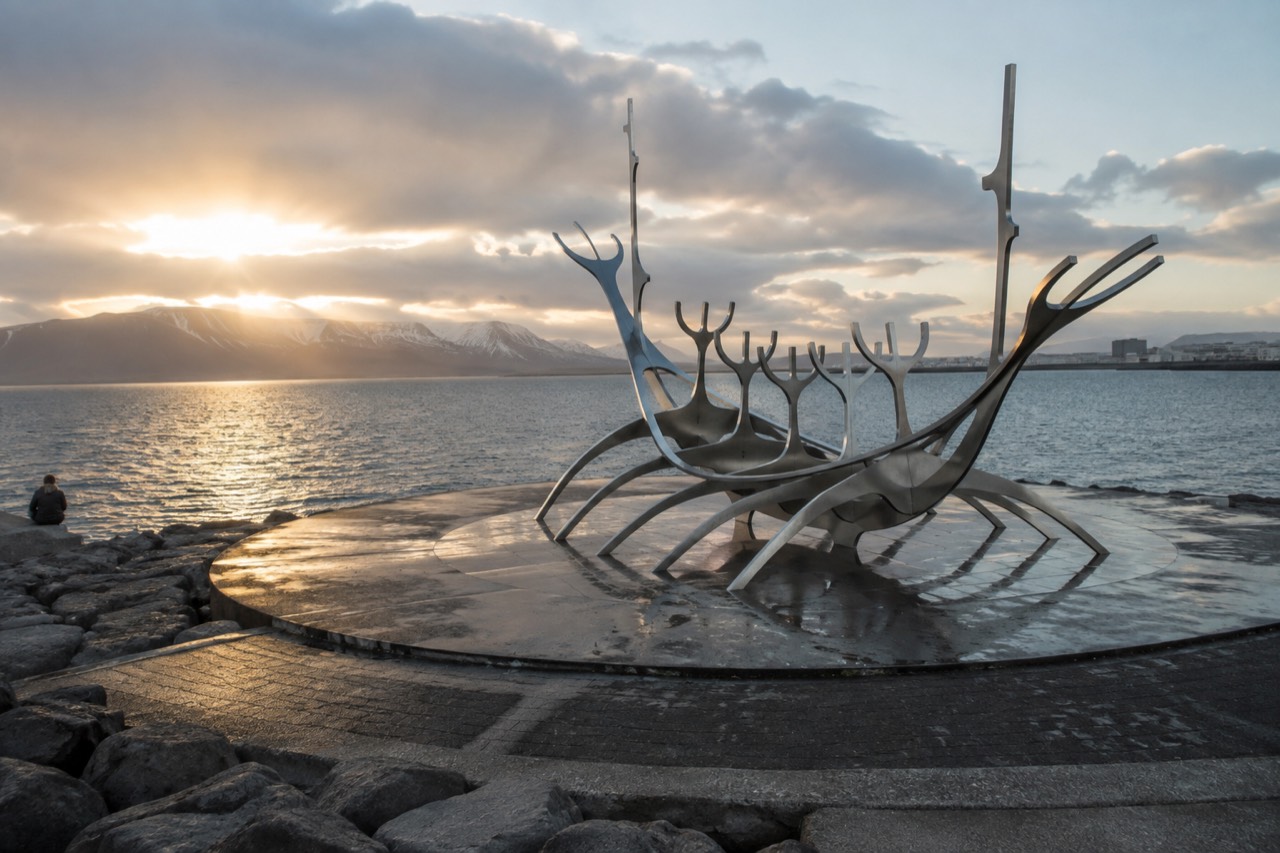
The Sun Voyager, called Sólfar in Icelandic, is a large steel sculpture shaped like an open boat frame, standing on a platform beside the Sæbraut waterfront road in central Reykjavik. It was created by the Icelandic sculptor Jón Gunnar Árnason. Almost everyone calls it a Viking ship, but the artist described it as a dream boat, an ode to the sun, and that distinction is the whole story of the piece.
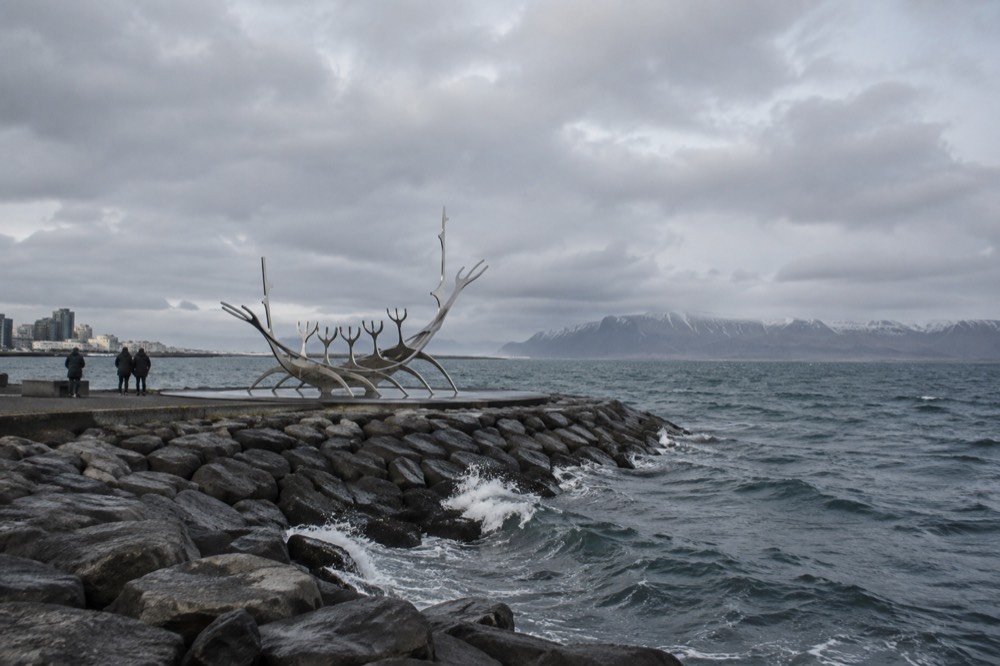
The mix-up about Vikings is understandable. The sculpture is a hull without planking, a skeleton of curved steel ribs that reads instantly as a longship to anyone raised on pictures of Norse raiders. Árnason's own account points somewhere quieter. He described the work as a dream boat carrying hope toward the sun, an image of discovery and arrival rather than conquest, and the title Sólfar literally means "sun traveler." Reykjavik's history as a harbor town and a fishing port is written into the piece either way. It faces the open water of Faxaflói bay, toward the setting sun, and the mountain of Esja rises across the water exactly where the bow points.
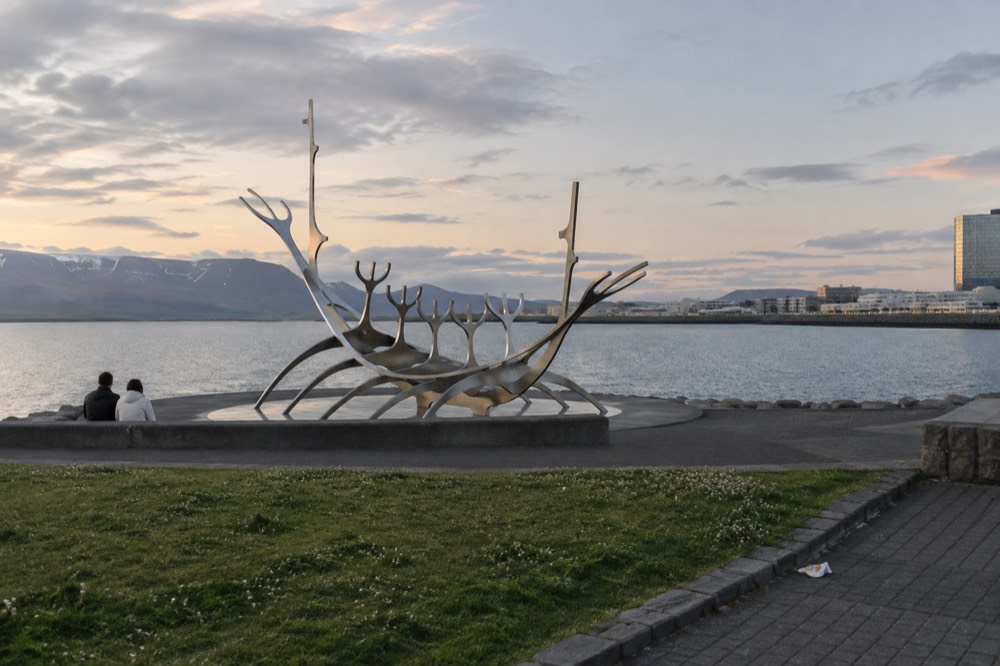
The setting does as much work as the steel. The platform sits right on the water's edge, low enough that on windy days spray can reach the legs of visitors standing at the rail. Gulls cluster on the frame itself, and photographers quickly learn that the sculpture changes character completely depending on the hour: hard and graphic at midday, silhouetted at dusk, and strange and beautiful under the long low light of a northern summer evening. It has become the most photographed sculpture in the city, and unlike almost everything else people photograph in Iceland, it costs nothing to stand in front of.
| Detail | Fact |
|---|---|
| Icelandic name | Sólfar |
| Artist | Jón Gunnar Árnason |
| Location | Sæbraut, on the central Reykjavik waterfront |
| Cost to visit | Free, at all hours |
| What it depicts | A dream boat, an ode to the sun (commonly mistaken for a Viking ship) |
One small honesty note for planners: some listing pages show opening hours for the sculpture. Treat those as a database artifact. The Sun Voyager is an unfenced outdoor artwork on a public walkway, and there is nothing to open or close.
Is The Sun Voyager Free To Visit?
Yes, completely. The Sun Voyager is a public sculpture in open space, with no fence, no ticket desk, no queue and no hours of any kind. You can stand beside it, photograph it and walk around its platform at 3 a.m. in June or mid-afternoon in January, and nothing about the visit carries a charge. It appears on the official Visit Reykjavik list of free things to do in the city.
That freeness is worth pausing on, because Reykjavik has a way of quietly charging for things that look public. The observation deck at Perlan cannot be bought separately from a ticket. The Hallgrímskirkja tower charges 1,500 ISK for adults, even though the church exterior is free to admire. The geothermal beach at Nauthólsvík charges year-round despite a widespread myth about a free summer window. Against that backdrop, a genuinely open, genuinely ticketless sculpture on the water is not just a nice view, it is one of the few sights in the city that behaves exactly as a budget visitor hopes.
The same logic applies to the walking tours that introduce visitors to the city's sights, including this one. Reykjavik's free walking tours are tip-based: you book a place, walk with a guide for about two hours, and pay what you feel at the end. There are only a small number of them, and for an English speaker there are exactly two real options. The dominant one is CityWalk's free tour, listed on freetour.com, which freetour.com lists at 9.6 out of 10 from 6,683 reviews. It runs daily at 10:30 and 13:30, in English, from Austurvöllur square in front of the Parliament building, and covers the Parliament, Laugavegur, Tjörnin and City Hall over about two kilometers. The smaller English-language option is the Sweet Streets walk on GuruWalk, rated 4.6 out of 5 across 87 GuruWalk reviews, which runs Monday, Thursday, Friday, Saturday and Sunday at 11:00 and takes cash tips only. There is also a Spanish-language legends walk on GuruWalk, but it is not an option for an English speaker, and its GuruWalk listing is new, with no reviews yet.
| Walk | Where listed | Rating | Language | Schedule |
|---|---|---|---|---|
| CityWalk free tour | freetour.com | 9.6 out of 10 from 6,683 reviews | English | Daily, 10:30 and 13:30 |
| Sweet Streets of Reykjavik | GuruWalk | 4.6 out of 5 across 87 reviews | English and Spanish | Monday, Thursday, Friday, Saturday, Sunday at 11:00 |
| Reykjavik history and legends walk | GuruWalk | No reviews yet | Spanish only | Monday to Friday at 17:00, Saturday and Sunday at 11:00 |
A note on the scales in that table, because they matter: the 9.6 is out of 10, and the 4.6 is out of 5. They are not comparable numbers, and a page that prints them side by side without saying so is misleading you. CityWalk is the long-running, established walk in this city, and Sweet Streets is the smaller, newer GuruWalk alternative. Both are real, both are free in the pay-what-you-want sense, and both are run by independent local guides whose income is the tip.
How Do You Get To The Sun Voyager?
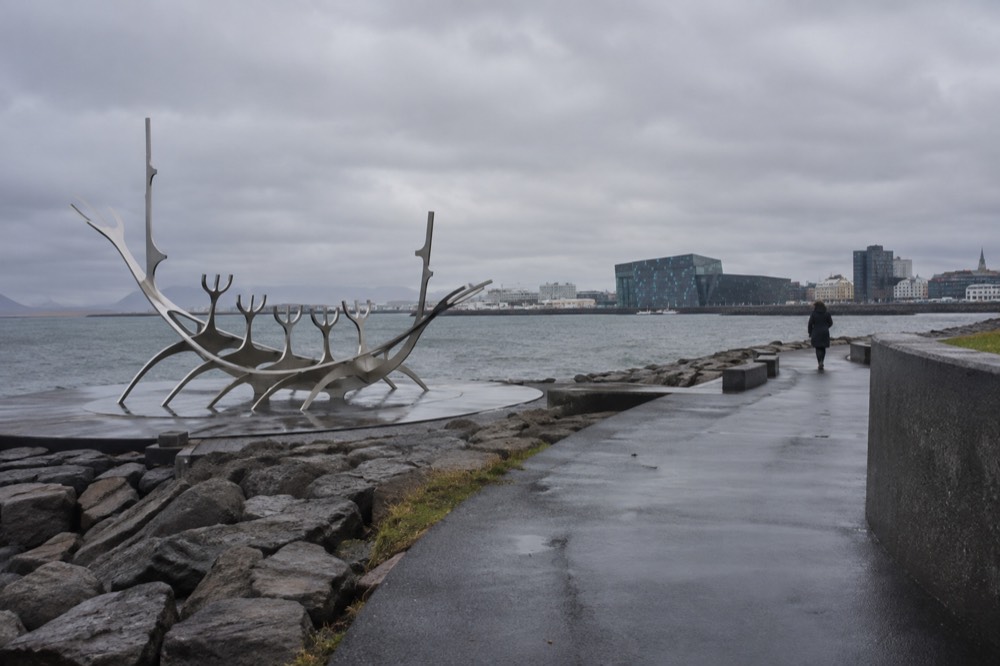
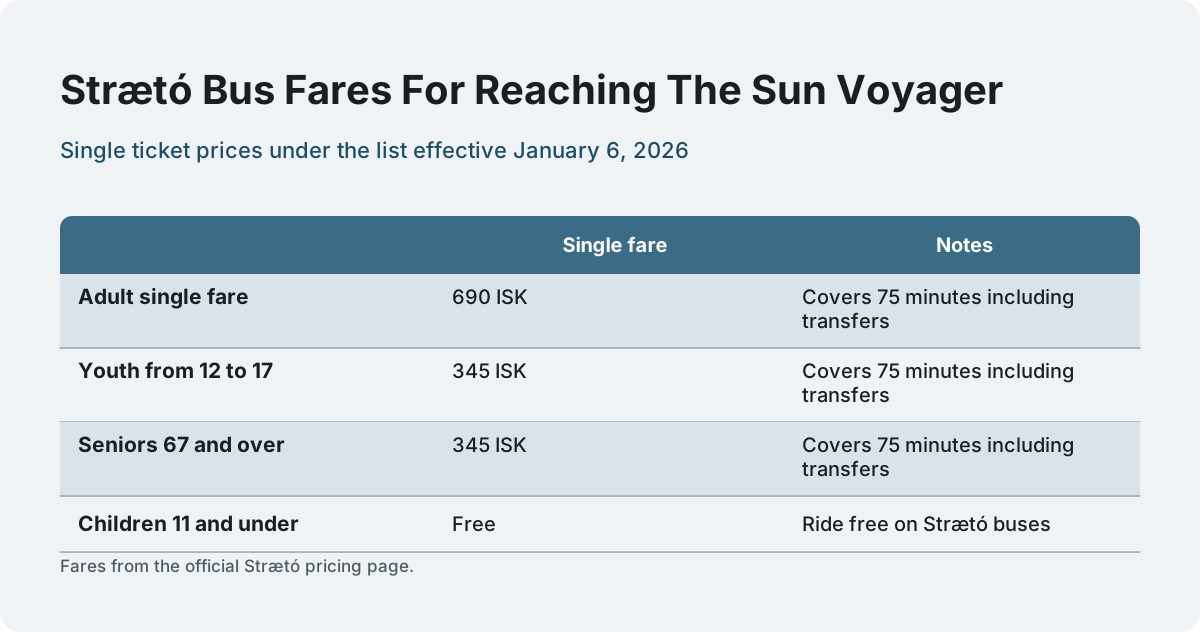
On foot is the honest answer for almost every visitor. The sculpture stands on the Sæbraut waterfront, a level paved walkway a few minutes' walk from Harpa concert hall and the eastern edge of the Old Harbour. From the city center around Austurvöllur or Laugavegur the walk is flat and signposted along the water the whole way. Strætó buses cover longer hops, and children 11 and under ride free.
The bus fare is worth knowing precisely. Strætó's single adult fare rose to 690 ISK under the price list that took effect on January 6, 2026, up from 670 ISK, and a single ticket covers 75 minutes including transfers. Youth from 12 to 17 and seniors 67 and over pay 345 ISK. The official pricing is published on the Strætó pricing page. If you plan to ride more than occasionally, note that fare capping applies on the same card, at a maximum of three paid rides per day for adults, and that day passes have been discontinued, so the old advice about buying a 24-hour pass is out of date.
The most enjoyable way to arrive, though, is as the endpoint of the CityWalk free tour. The walk starts at Austurvöllur in front of the Parliament building, by the Jón Sigurðsson statue, and finishes at City Hall on the northern edge of Tjörnin pond. From City Hall, the sculpture is a short stroll north along the water, past Harpa. The tour's own route page notes that Harpa and Hallgrímskirkja are seen from a distance rather than visited, so the waterfront sculpture makes a natural self-guided extension once the guide has said goodbye. Bookings on the CityWalk form are capped at six people, and the tour is wheelchair accessible with no age limit.
If you would rather have a guide whose route starts closer to the water itself, the Sweet Streets walk on GuruWalk meets inside Harpa, which puts you a few minutes from the sculpture before the walk even begins. It takes bookings up to 10 people and needs a minimum of 5 to run, which is worth knowing in the off-season. Cancellation is free on both GuruWalk walks, and the guides ask that you cancel through the listing rather than simply not showing up, since a no-show can block a slot someone else wanted.
Whichever walk you choose, the sculpture makes an easy endpoint either way: CityWalk finishes at City Hall, a short stroll south of the waterfront, and Sweet Streets starts inside Harpa, a few minutes east of it. Both routes put you on the same free stretch of coast with no further planning needed.
When Is The Best Time To See The Sun Voyager?
Any time works, because the sculpture is always accessible, but the light decides everything. Around the June solstice Reykjavik gets 21 hours and 23 minutes of daylight, so the golden hour effectively lasts all night. In winter the low sun silhouettes the steel frame against the bay by mid-afternoon. The northern lights season runs from September to April, though darker spots away from the city serve aurora watchers better.

Summer visitors have the stranger and better deal. In late June the sun barely dips below the horizon, rising at 02:47 and setting at 00:11, and the hours either side of midnight turn the bay pewter and gold. Photographers who want the sculpture to themselves should aim for the very early morning: by 10 a.m. the platform is busy with tour groups and wedding parties, but at 3 a.m. on a clear June night you may have it entirely alone, with Esja glowing pink across the water. The trade-off is weather, which belongs to nobody's schedule. Reykjavik's wind can make the exposed waterfront brutal at any hour, so keep the harbor-side of Harpa in mind as a windbreak.
Winter flips the calculation. Daylight compresses into a narrow band around midday, the sun stays low, and the sculpture's steel ribs catch long raking light that summer never produces. Snow on the platform and sea fog off Faxaflói can turn the same structure into something almost abstract. If aurora hunting is part of your trip, the season runs September to April, and the city's own tourism office names its darker parks and viewpoints as the places to watch from; the practical planning is covered in the northern lights near Reykjavik guide. The sculpture's immediate area is too close to downtown light for reliable viewing, but it is a pleasant walk in that direction when the sky is clear.
What Else Is Free Along The Waterfront?
More than most visitors expect. Harpa concert hall's foyer and its ground-floor Hljóðhimnar sound installation are free to enter during opening hours, the Old Harbour and Grandi quays are free public space, and the Þúfa art mound gives a 360-degree view of the bay without a ticket. The Sun Voyager sits at the center of a stretch of coast where the default price of everything is zero.
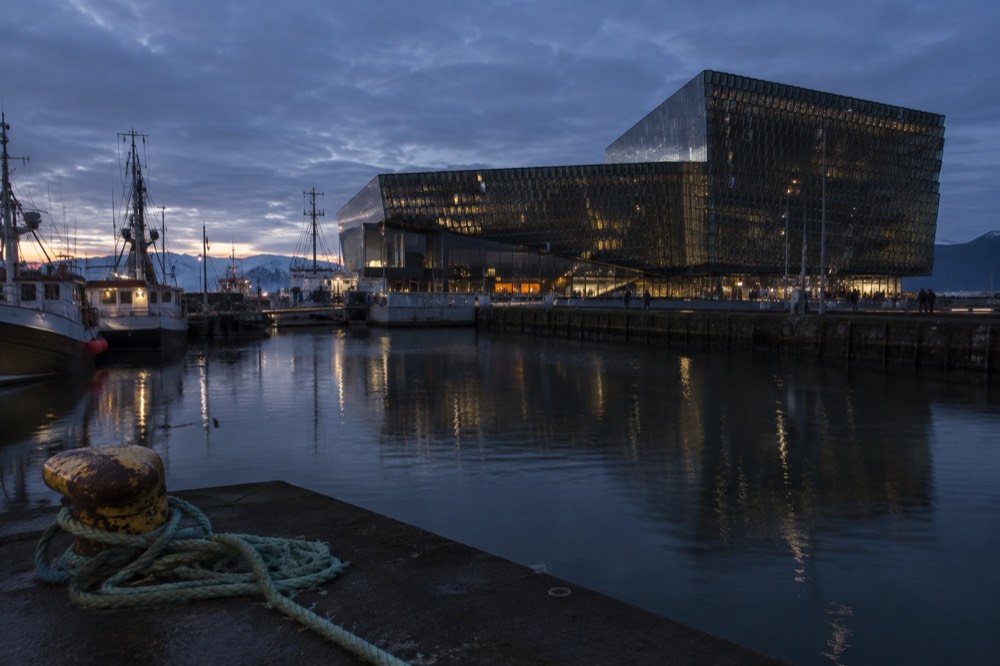
Start with Harpa, five minutes east of the sculpture. Harpa's own site states plainly that admission to the building and to Hljóðhimnar is free, with the foyer open from 10:00 to 18:00 Sunday through Tuesday and 10:00 to 20:00 Wednesday through Saturday. Even when a concert is ticketed, standing inside the honeycomb glass facade costs nothing, and on a wet or windy day it is the best free shelter on this whole stretch of coast. The details, including what is and is not free inside, are in the Harpa concert hall guide.
West of the sculpture, the shoreline continues into the Old Harbour and the Grandi district, public quays where fishing boats still tie up next to cafés and museums. The museums and boat trips there are paid, but the walk itself is not, and the grassy art mound Þúfa at the harbor's mouth is free to climb for its panorama of the bay and the city behind it. The full waterfront route, including where it pays off and where it does not, is laid out in the Reykjavik Old Harbour guide.
Between the sculpture and the downtown core sits Arnarhóll, the hill where the Spanish-language legends walk on GuruWalk meets its groups, by the Ingólfur Arnarson statue, with the guide carrying a rainbow umbrella. The walk itself is in Spanish only, so it is not an option for most English-speaking visitors, but its meeting point is a useful landmark on the same free walking geography. The GuruWalk listing is genuinely new, created on August 27, 2026, and has no reviews yet, which is a fact about its age rather than its quality.
| Waterfront sight | Cost | Notes |
|---|---|---|
| Sun Voyager sculpture | Free | Open public space, no hours |
| Harpa foyer and Hljóðhimnar | Free | During building opening hours |
| Old Harbour and Grandi quays | Free | Public walkways; museums and boat trips separate |
| Þúfa mound | Free | 360-degree view from the top |
| Hallgrímskirkja tower | 1,500 ISK adults | Exterior free; tower lift paid |
| Perlan observation deck | Paid, ticket only | Cannot be bought separately from a Perlan ticket |
That table is the honest shape of the waterfront: the outdoor things are free, and the things with a door and a lift generally are not. Budget accordingly and the walk costs you nothing but shoe leather.
Does The Reykjavik City Card Help Around Here?
No, and it is worth being clear about why. The Sun Voyager, Harpa's foyer, the harbor walk and Þúfa are all free without any pass, so a card buys you nothing on this stretch of coast. The Reykjavik City Card is a paid product, 6,100 ISK for 24 hours, 8,500 for 48 hours and 10,500 for 72 hours, and it only makes sense if you plan to visit several of the paid museums and pools it covers.
This site treats the City Card carefully for a simple reason: anything described as "free with the City Card" is not free, it is prepaid. The card's own pricing is published on the official City Card page. Whether the card pays for itself depends entirely on your museum appetite. The Reykjavik Art Museum charges adults 2,550 ISK, the National Museum 3,300 ISK, and the Settlement Exhibition 3,100 ISK, so a heavy two-day museum itinerary can recoup the pass price quickly. A visitor whose plan is the waterfront, the sculpture, Tjörnin and a pool visit will not come close, since the pool entry is only 1,500 ISK and everything else on that list costs nothing.
The under-18 rule is the one genuine discount worth flagging here. Children and teenagers aged 17 and under get free entry at the Reykjavík Art Museum, the National Museum, the National Gallery, the Settlement Exhibition and Árbæjarsafn regardless of any pass, so families should do that arithmetic before buying cards for teenagers who may not need one.
Where Can You Go Indoors For Free Nearby?
The Reykjavik City Library is the main answer. Entry to the library itself is free, for anyone, with no card and no residency requirement, and it makes a warm, quiet refuge when the waterfront weather turns. A borrowing card costs 3,300 ISK per year if you actually want to take books home, and it is free for visitors under 18 and 67 or over.

The library's value to a short-stay visitor is not the books, it is the shelter and the calm. Reykjavik's weather can move from pleasant to horizontal rain inside an hour, and the free-entry list of indoor spaces in the city center is short: Harpa's foyer, the library, and not much else. The library sits within easy reach of the waterfront and downtown, and the free entry is confirmed on the library's own fees page. Set against the roughly 200 ISK that standalone public toilets in high-traffic tourist spots often charge, a free public building with facilities is not nothing.
How Do You Extend The Walk To Tjörnin?
Head south from the waterfront and the free route continues to Tjörnin, the city pond, and Hljómskálagarður park beside it. Both are open public space with no admission, and the pond is one of the simplest free things to do in Reykjavik: birds on the water, sculptures along the shore, and the City Hall sitting on its northern edge where the CityWalk tour finishes. One of the free walking routes passes through here: Spanish-Language Legends Walk.
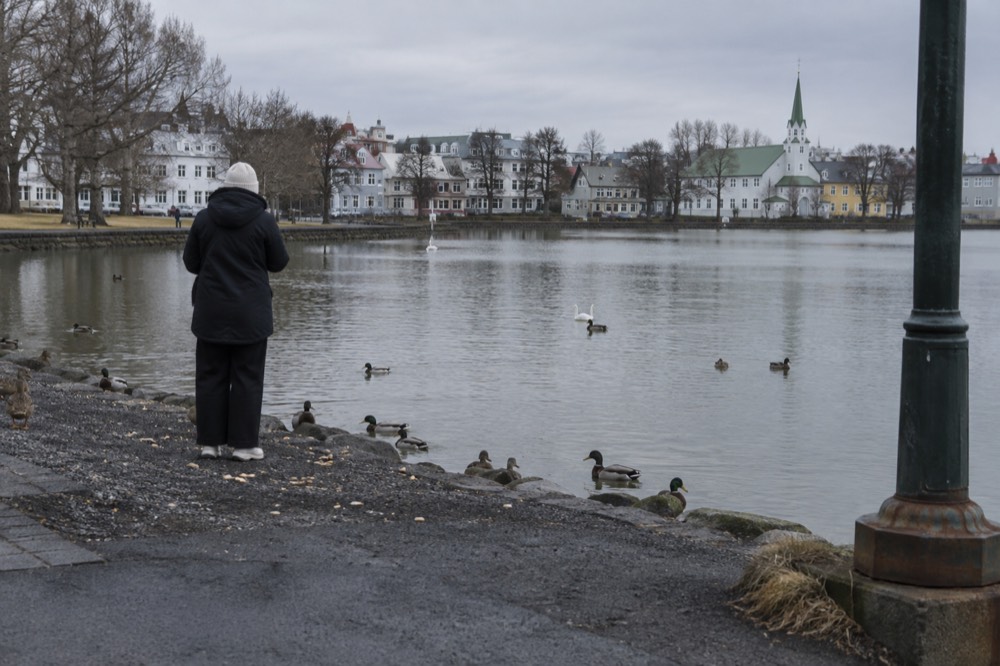
Tjörnin is the natural second half of a free Reykjavik walking day. From the Sun Voyager, the route runs past Harpa and up through the center to the pond's northern corner, all flat and all public. In summer the banks fill with eider ducks, geese and swans, and in winter a section of the pond is often cleared for ice skating when the ice is safe. Hljómskálagarður park, on the pond's western side, is where several of the city's National Day events happen, and those celebrations on June 17 are themselves free to attend, with a ceremony at Austurvöllur at 11:00 and a parade from Hallgrímskirkja at 13:00.
The pond also connects the waterfront walk to the older civic heart of the city, which brings the loop back to where the free tours begin.
Why Does Austurvöllur Matter To This Walk?
Austurvöllur is the public square in front of the Parliament building, and it is both a free park in its own right and the meeting point for the CityWalk free tour. The square is where Iceland's national day ceremony is held each June 17, and it anchors the walk between the sculpture, the pond and the commercial streets. For a visitor building a free day, it is the natural inland anchor of the route.
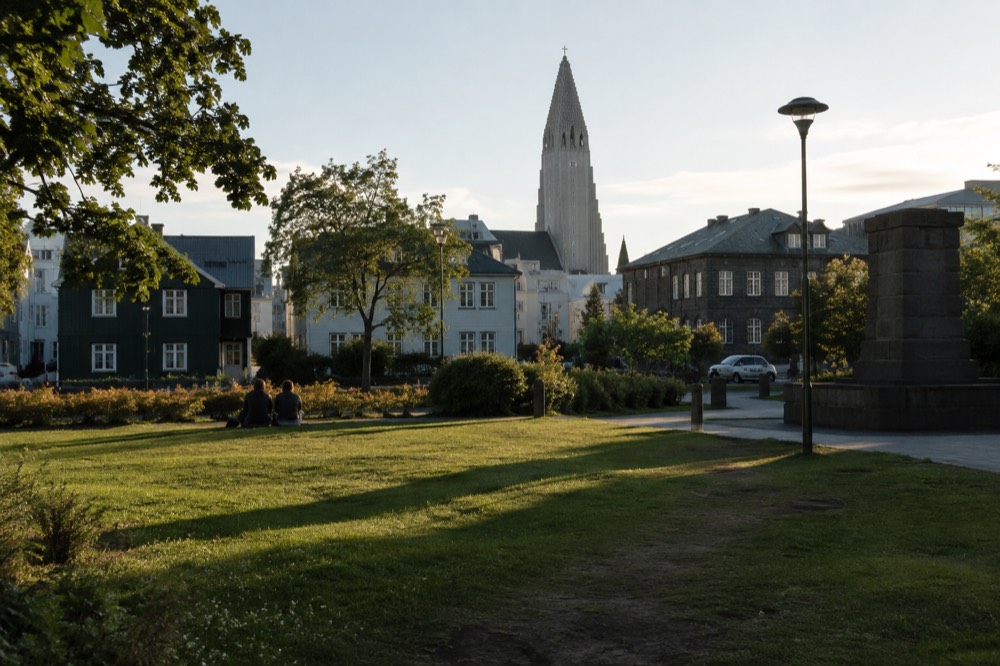
The square is small but central, ringed by the Parliament, the cathedral and cafés, and it functions as the city's default gathering place, from political rallies to Christmas markets. Its practical role for a budget visitor is as a navigation point: from Austurvöllur you can see the tower of Hallgrímskirkja to walk uphill, or drop downhill toward the pond and the waterfront. The CityWalk tour meets here daily, in front of the Parliament, by the Jón Sigurðsson statue, at 10:30 and 13:30, and the guides wear identifiable CityWalk jackets.
Put together, the free geometry of central Reykjavik is a loop rather than a list: sculpture to harbor to Harpa, up to the pond, across to Austurvöllur, and back down to the water. That loop is the spine of Free Things To Do In Reykjavik, and every point on it costs nothing to walk.
The wider free map extends beyond this loop, and three more options are worth carrying in your back pocket. The city has mapped more than 160 street art works you can hunt for free across the center and east side, and the city's own announcement of the mapping project says it plainly: you do not have to pay to enjoy street art (see Laugavegur Walk). The Kvika foot bath at Seltjarnarnes, a short bus ride west along the same shoreline the sculpture faces, has no entrance fee and soaks cold feet in warm geothermal water year-round. And the Old Harbour walk that begins beside the sculpture keeps going west into Grandi whenever you have the time for it, ending at Þúfa and its free panorama of the bay.
Common Questions About The Sun Voyager
Is the Sun Voyager free to visit?
Yes, completely. It is an unfenced public sculpture on the Sæbraut waterfront with no ticket, no desk and no opening hours, and you can visit at any time of day or night without paying anything.
Is the Sun Voyager a Viking ship?
Almost everyone says so, but the sculptor, Jón Gunnar Árnason, described it as a dream boat, an ode to the sun. The Icelandic name, Sólfar, means "sun traveler." The Viking reading is a popular mistake rather than the artist's intent.
How do I get to the Sun Voyager?
Walk. It sits on the waterfront a few minutes from Harpa concert hall, and the route from the city center is flat and signposted along the water. A Strætó bus single costs 690 ISK for adults, and children 11 and under ride free.
When is the best time to photograph the Sun Voyager?
Early morning in summer, when the near-24-hour daylight lets you have the platform almost alone around 3 a.m., or mid-afternoon in winter, when the low sun silhouettes the steel frame. Midday in high summer is the busiest time.
Can you see the northern lights from the Sun Voyager?
Not reliably, it sits too close to the city's own light. The aurora season runs September to April, and the darker parks and viewpoints around the city are the places to watch from, with the sculpture best treated as a daytime or evening stop.
Does the Reykjavik City Card cover the Sun Voyager?
There is nothing to cover. The sculpture is free to everyone without a pass, and the City Card is a paid product, 6,100 ISK for 24 hours, that only pays off if you visit several of the paid museums and pools it includes.