What Is A Must Do In Reykjavík?
The honest shortlist of Reykjavik must-dos that cost nothing: a tip-based city walk, Grótta lighthouse, the Hallgrímskirkja nave, Harpa's foyer, and the free events locals actually turn out for.
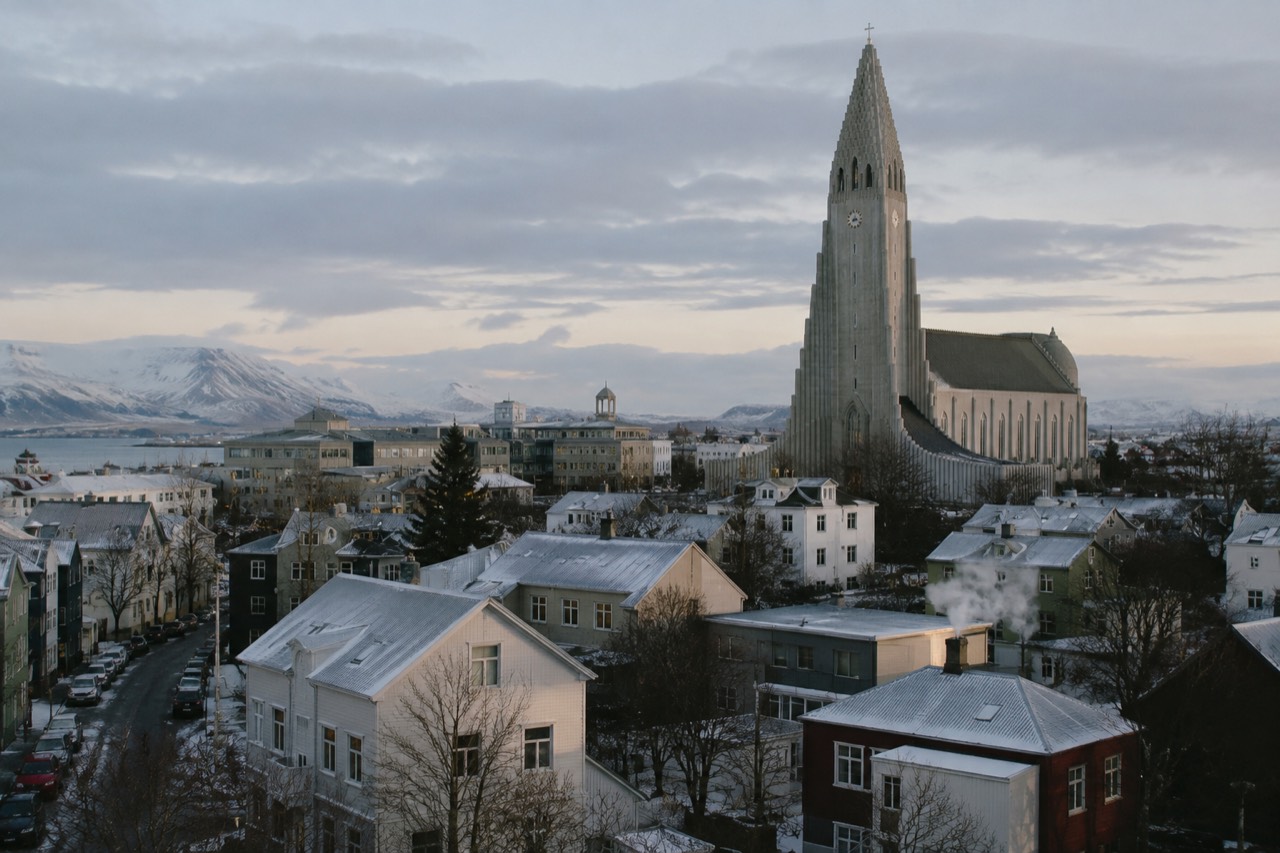
Reykjavik has a strange property: the things locals and repeat visitors call essential are mostly free, while the things sold hardest to tourists cost the most. The Perlan observation deck cannot be bought on its own. The Nauthólsvík geothermal beach charges entry all year, despite the "free in summer" claim that keeps circulating. The actual must-do list, the one that survives contact with a live price list, is short and mostly costs nothing but shoe leather and a tip.
What Is A Must Do In Reykjavík?
If you do one thing in Reykjavik, walk the city with a local guide on a tip-based free walking tour, then spend an afternoon on the free waterfront and hillside paths: Grótta lighthouse, the Old Harbour, the Hallgrímskirkja nave, Harpa's foyer and the Tjörnin pond. Together they cover the history, the architecture, the ocean and the skyline for zero admission, and the two English-language walks between them run every day of the week.
The free walk is the single highest-value first move, because Reykjavik is small enough that two hours with a guide genuinely covers the core. The dominant option is the Free Tour in Reykjavik run by CityWalk: it leaves daily at 10:30 and 13:30 from Austurvöllur square in front of the Parliament building, lasts about two hours, and is rated 9.6 out of 10 across 6,683 freetour.com reviews. It is English only, it covers roughly two kilometres from Parliament to City Hall, and it is pay-what-you-want at the end, cash or card. It has run since 2014, which in this city makes it the long-established option rather than the newcomer.
The smaller GuruWalk alternative is Sweet Streets of Reykjavík, rated 4.6 out of 5 across 87 GuruWalk reviews, meeting at the Harpa building and running Monday, Thursday, Friday, Saturday and Sunday at 11:00 in English. It is cash only, which matters: on a pay-what-you-want walk the tip is the entire payment, so a visitor with no kronur cannot pay the guide at all. A third walk, the Spanish-language legends walk by Rainbow Tours, runs in Spanish only, so it is not in the English shortlist. There is no wider field to browse, and any page implying dozens of free tours in this city is describing somewhere else.
Why Is Grótta Lighthouse The Best Free Half-Day In The City?
Grótta, on the Seltjarnarnes peninsula at the city's western edge, is a free nature reserve with a tidal causeway, a lighthouse and some of the darkest sky reachable from the centre, and it is the best free half-day trip Reykjavik offers, with two conditions: the causeway floods at high tide, and the whole area is closed to visitors from May 1 to July 15 for Arctic tern nesting.
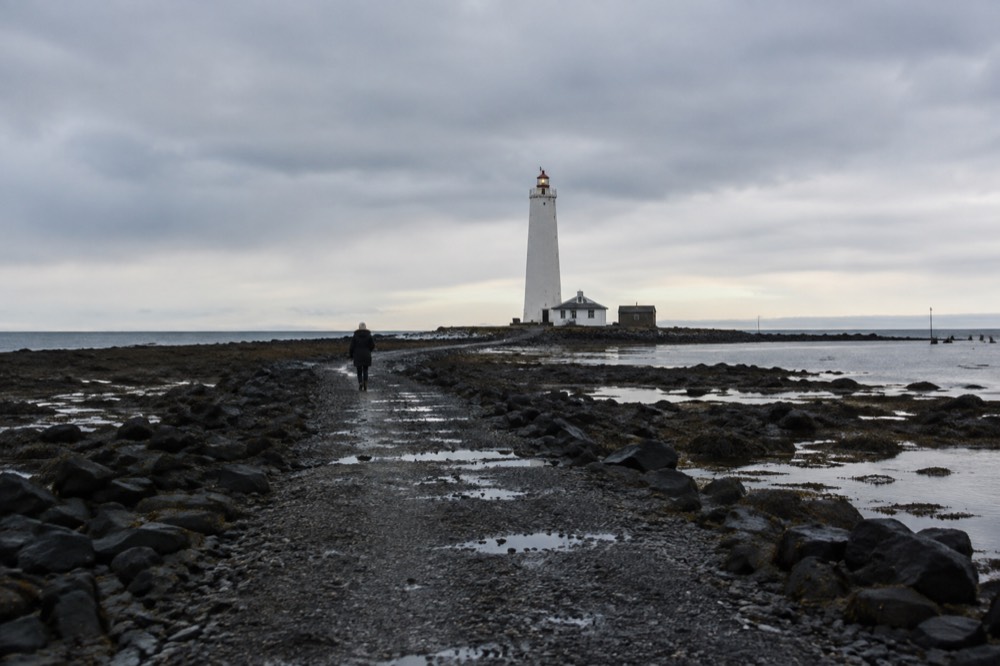
The walk out along the peninsula is flat, paved for most of its length, and ends at a causeway that the tide covers twice a day. Check the tide before you go, or you will be watching the lighthouse from the wrong side of the water. In the aurora season, roughly September to April, Grótta is one of the named free viewing spots because the horizon over the ocean is dark and the drive or bus ride out is short. The reserve was expanded in July 2026 to include the Seltjörn area, which strengthens the protections rather than changing access for walkers. The city's own visitor site lists the island and lighthouse among its free services, and its Grótta page is the place to confirm current conditions.
The nesting closure is not a formality. Arctic terns dive at anything that comes near their nests, and the Seltjarnarnes authorities close the whole area to give them the space. You can still view the lighthouse from the mainland side, and the Kvika foot bath, a free year-round geothermal pool for your feet on the seawall nearby, is open as usual. That pairing, a coastal walk plus a warm foot soak, is the kind of thing Reykjavik does quietly and well, and it costs nothing at all. The Grótta lighthouse guide covers the tides, the closure and the aurora angle in full.
Is Hallgrímskirkja Free To Enter, And Is It A Must-Do?
Hallgrímskirkja is a must-do from the outside and, for the nave, from the inside too: the church's price list covers only the tower lift, at 1,500 ISK for adults from June 1, 2026, while the main hall itself charges no admission, and the free Einar Jónsson sculpture garden sits directly behind the church.
The church is the building on every postcard, a basalt-column silhouette that anchors the top of Rainbow Street, and the view of it from Skólavörðustígur is free by definition. The tower is the paid part, 1,500 ISK for an adult, 200 ISK for children 7 to 16, no advance booking. The nave is the free part, open roughly 10 a.m. to 5 p.m. daily with longer summer hours, and it occasionally hosts free organ and choir events worth timing a visit around. The church's official opening-hours page carries the current tower tariff. One of the free walking routes passes through here: Spanish-Language Legends Walk.
The sculpture garden behind the church is the detail most first-time visitors miss. Einar Jónsson was Iceland's most significant sculptor, and the garden around his former home and studio displays his work outdoors with free year-round access, while the museum interior inside is ticketed. It takes fifteen minutes, it costs nothing, and it is thirty seconds from the church. For more on the building and what is actually free inside it, see the Hallgrímskirkja free visit guide.
What About Harpa, And Is The Concert Hall Free?
Harpa's foyer and ground-floor Hljóðhimnar sound installation are free to enter during opening hours, roughly 10:00 to 18:00 Sunday to Tuesday and 10:00 to 20:00 Wednesday to Saturday, which makes it the city's best free indoor must-do, a warm, architectural space on the Old Harbour that doubles as an evening aurora-watching vantage point.
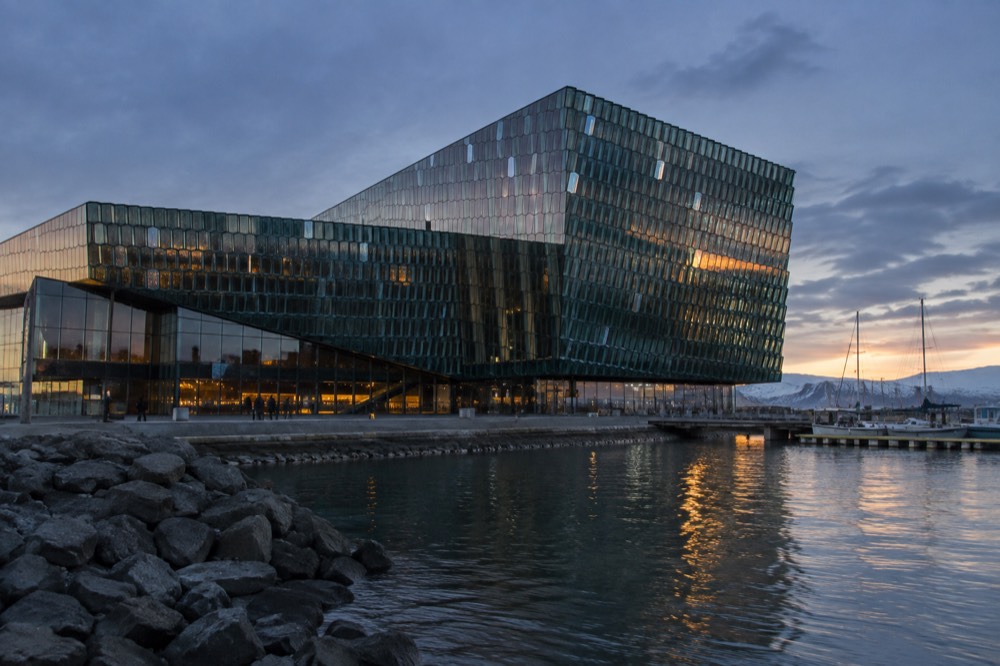
Harpa states it plainly on its own welcome page: admission to the building and to the Hljóðhimnar installation is free. The glass facade, built of hexagonal panes that catch the low northern light, is the reason people photograph it, and the interior is where you escape the wind without spending anything. Concerts and events inside the halls are ticketed, but the foyer is a public room in practice. It is also the meeting point for the Sweet Streets walk, which starts inside by the Rammagerðin store on its Monday, Thursday, Friday, Saturday and Sunday 11:00 departures. The building's own welcome page confirms the free admission in one sentence. This stop sits on a free walking route, Spanish-Language Legends Walk.
Because Harpa sits right on the harbour, the free Old Harbour waterfront walk starts at its doorstep. The quays, the fishing boats and the Þúfa art mound, which gives a 360-degree view from its top, are all free public space, and the route connects naturally toward Grandi. The Old Harbour and Grandi district guide maps the full walk.
Which Free Events Turn A Good Trip Into A Must-Do Trip?
Time your visit to one of Reykjavik's genuinely free citywide events and the city changes character: Culture Night (Menningarnótt) fills the centre with free museums, street performances and fireworks, Museum Night inside the Winter Lights Festival opens museums at no charge, June 17 brings parades and concerts to the parks, and ten free New Year's Eve bonfires burn citywide.
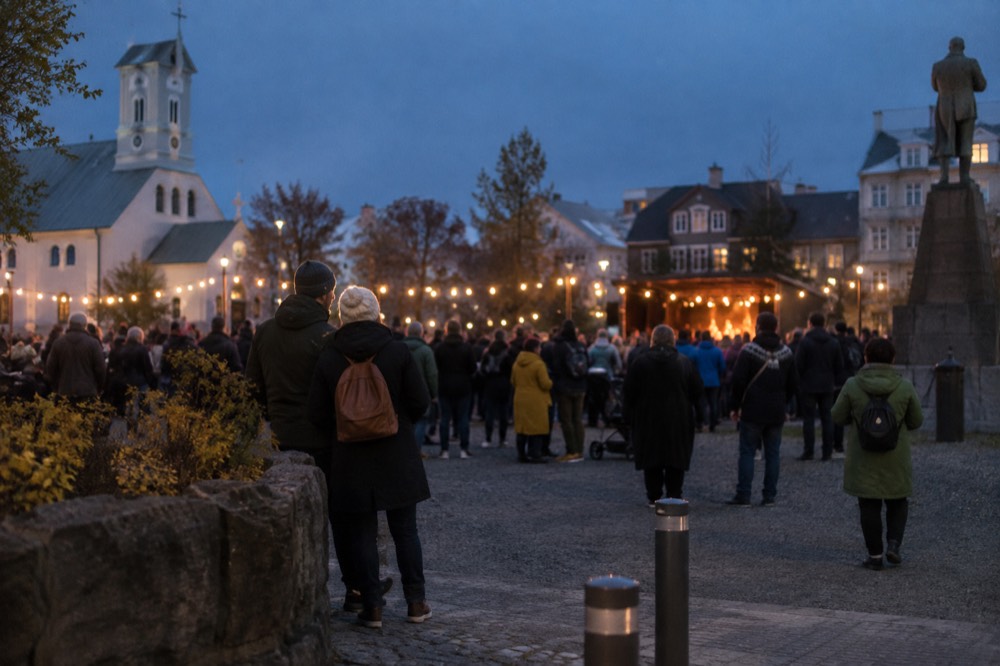
Culture Night is the biggest of them. The city's own page states that all events are free of charge, museums and galleries open free or late, the programme runs from noon to 10 p.m., and the Strætó buses are free for an hour after the fireworks to carry everyone home. The Winter Lights Festival in early February installs light works from the Hallgrímskirkja area down to City Hall, and its Museum Night opens participating museums, including the Reykjavík Art Museum sites and the Reykjavík City Museum branches, at no charge. June 17, Iceland's National Day, brings the official ceremony to Austurvöllur at 11:00, a parade from Hallgrímskirkja at 13:00, and free concerts and family events in the parks until late afternoon.
| Free event | When | What it is | The catch |
|---|---|---|---|
| Culture Night (Menningarnótt) | One Saturday in August | Citywide free programme, free museums, fireworks | Centre is crowded and roads close |
| Museum Night (Safnanótt) | Early February, inside Winter Lights Festival | Free entry and late hours at participating museums | Only that one evening |
| June 17 National Day | All day | Ceremony, parade, park concerts, family events | Weather decides everything |
| New Year's Eve bonfires | New Year's Eve evening | Ten community bonfires, lit around 8:30 p.m. | Personal fireworks banned at the sites |
One warning that belongs here rather than scattered through the page: the Reykjavík City Card is a paid product, 6,100 ISK for 24 hours at the current official tariff, and anything described as "free with the City Card" is not free. The museums it covers are paid museums. The genuinely free list is the one on this page, and it needs no card.
What Should You Skip, Honestly?
Skip the paid impostors on the free list: Nauthólsvík geothermal beach charges 1,500 ISK entry year-round with no free summer window, the Perlan deck cannot be bought separately from a full ticket, and the Reykjavík Art Museum has no free day at all, so any article promising those for free is out of date or making things up.
Nauthólsvík is the single biggest trap in the city. The claim that the beach is free from mid-May to mid-August keeps getting repeated, but the official tariff is one flat entrance pass, matching the city pool tariff in force since May 2026, with adults at 1,500 ISK and children 10 to 17 at 400 ISK. It is a lovely beach and a cheap one, but it is not free, and this site says so. The Perlan's observation deck is included with every ticket and cannot be purchased on its own; the free alternative is the walk up Öskjuhlíð hill to the same view, which costs nothing. The Art Museum's adult ticket is 2,550 ISK with no free weekday and no resident-free rule, though under-18s and disabled visitors do enter free, a condition that travels with the claim.
The pattern generalises. Reykjavik's free must-dos are its public space: the waterfront, the hill trails, the pond, the sculpture garden, the church nave, the concert hall foyer, the street art, of which the city has mapped more than 160 works. The paid layer is excellent but separate, and confusing the two is how budgets blow up. For the full breakdown, the free things to do in Reykjavik guide covers every verified free item, and Free Things To Do In Reykjavik exists to keep that list honest.
The Shortlist, Ranked
If you have one day, do the free walk at 10:30, the Hallgrímskirkja nave and sculpture garden, Rainbow Street on the way down, Harpa's foyer, and the Old Harbour waterfront to Þúfa; if you have two, add Grótta and the Kvika foot bath at low tide, and the Öskjuhlíð hill loop for the sunset. This stop sits on a free walking route, Morning Walk From Harpa, Cash Tips.
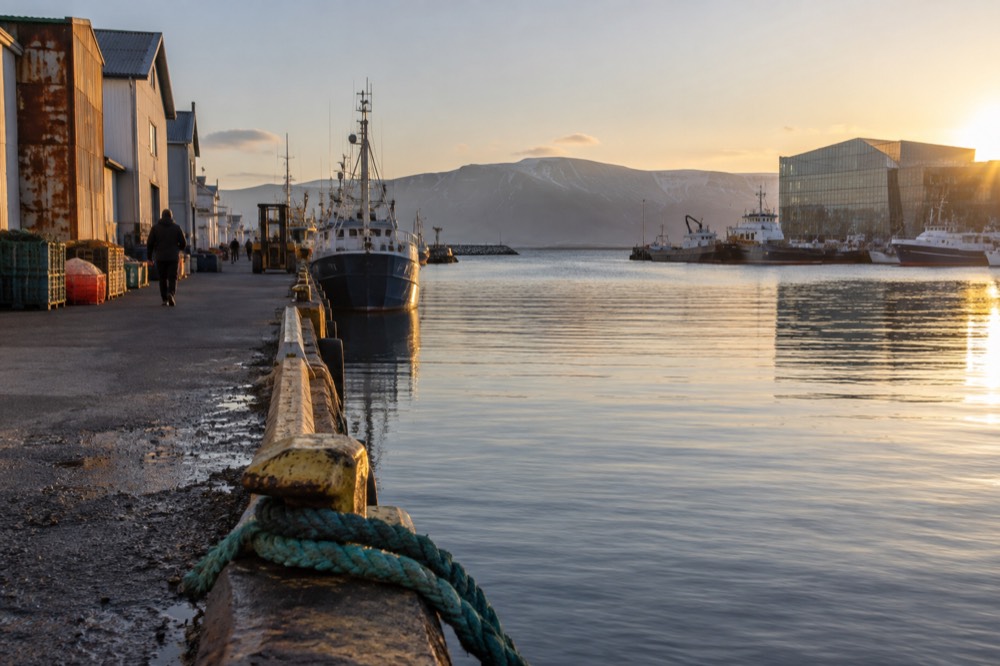
The ranking is not about quality, since all of these are worth the time, but about how little can be cut without losing the character of the place. The walk gives you the history and the orientation. Hallgrímskirkja and Rainbow Street give you the image of the city you came for. Harpa and the harbour give you the ocean and the light. Grótta gives you the wild edge that most capitals do not have within bus range. Everything else, Tjörnin, the Botanic Garden, Elliðaárdalur, the street art, is a bonus layer that the Reykjavik attractions map lays out geographically, and the quiet green corners are covered in the Elliðaárdalur valley guide.
One practical note on the walks, because it is the difference between a good morning and a wasted one. Both GuruWalk walks need a minimum of five people to run, Sweet Streets takes bookings up to ten and the Rainbow Tours walk up to twenty-five, and cancellation is free on both if you ask the guide rather than simply not showing up. Sweet Streets is cash only. CityWalk takes cash or card at the end, and its booking form opens roughly five days ahead with a maximum of six people per booking. Book the walk, bring kronur, and the rest of the list takes care of itself.
Common Questions About Must-Dos In Reykjavik
What Is A Must Do In Reykjavík?
Walk the city with a guide on a tip-based free walking tour, then spend the rest of the day on the free essentials: the Hallgrímskirkja nave and sculpture garden, Rainbow Street, Harpa's foyer, the Old Harbour waterfront and, with more time, Grótta lighthouse at low tide. All of it is free apart from the tip.
Is Hallgrímskirkja free to enter?
The nave charges no admission, and the church's price list covers only the tower lift, at 1,500 ISK for adults from June 1, 2026. The Einar Jónsson sculpture garden behind the church is free year-round.
Is Harpa free to visit?
Yes. Harpa states that admission to the building and the Hljóðhimnar sound installation is free during opening hours, roughly 10:00 to 18:00 Sunday to Tuesday and 10:00 to 20:00 Wednesday to Saturday. Concerts inside the halls are ticketed.
Can you see the northern lights in Reykjavik for free?
Yes, from free public spots such as Grótta, Öskjuhlíð, Elliðaárdalur and the harbour area, mainly between September and April on clear, dark nights. No tour or ticket is needed, only dark sky and patience.
Is Nauthólsvík geothermal beach free?
No. The beach charges 1,500 ISK for adults year-round, with no free summer window despite the widely repeated claim. Children 10 to 17 pay 400 ISK and under-10s enter free with an adult.
How much should you tip on a free walking tour in Reykjavik?
Guides rely on tips as their income on these walks. Common amounts run 2,000 to 5,000 ISK per person. Sweet Streets is cash only, while CityWalk accepts cash or card at the end of the tour.