What To Do In Reykjavik Without Spending Anything
Reykjavik gives away more than most capitals: a tip-based walking tour rated 9.6 out of 10, a concert hall foyer with free admission, sculpture gardens, tidal lighthouse walks and a citywide festival that costs nothing. Here is what is actually free, what is conditionally free, and what only looks free.
Short answer
Genuinely free things in Reykjavik include the CityWalk tip-based tour (daily 10:30 and 13:30), Harpa's foyer and sound installation, the Sun Voyager, Rainbow Street, Tjörnin pond, the Botanic Garden, Öskjuhlíð hill, street art and events like Culture Night. The Nauthólsvík geothermal beach (1,500 ISK), Hallgrímskirkja tower (1,500 ISK) and all public pools (1,500 ISK) are paid, despite common claims.
Reykjavik is one of the few capitals where the best first activity costs whatever you decide it costs. The city's dominant walking tour, run by CityWalk since 2014, is rated 9.6 out of 10 across 6,683 freetour.com reviews and runs on donations alone. Beyond the walks, the city hands out a concert hall foyer, a sculpture garden behind its most famous church, a tidal lighthouse walk, a botanic garden that never closes its gates and a one-night August festival where the entire programme is free. This page separates what is genuinely free from what carries a condition, and names the paid traps that get mislabelled as free on list after list.
What Is Genuinely Free In Reykjavik?
Reykjavik offers plenty that costs nothing: a tip-based CityWalk tour, Harpa's foyer with its Hljóðhimnar sound installation, the Sun Voyager sculpture, Rainbow Street, Tjörnin pond and park, Austurvöllur square, the Botanic Garden, Öskjuhlíð hill trails, mapped street art, Elliðaárdalur valley, and northern lights from public viewpoints between September and April. Around twenty sights charge no ticket, card, or condition at all. This stop sits on a free walking route, Spanish-Language Legends Walk.
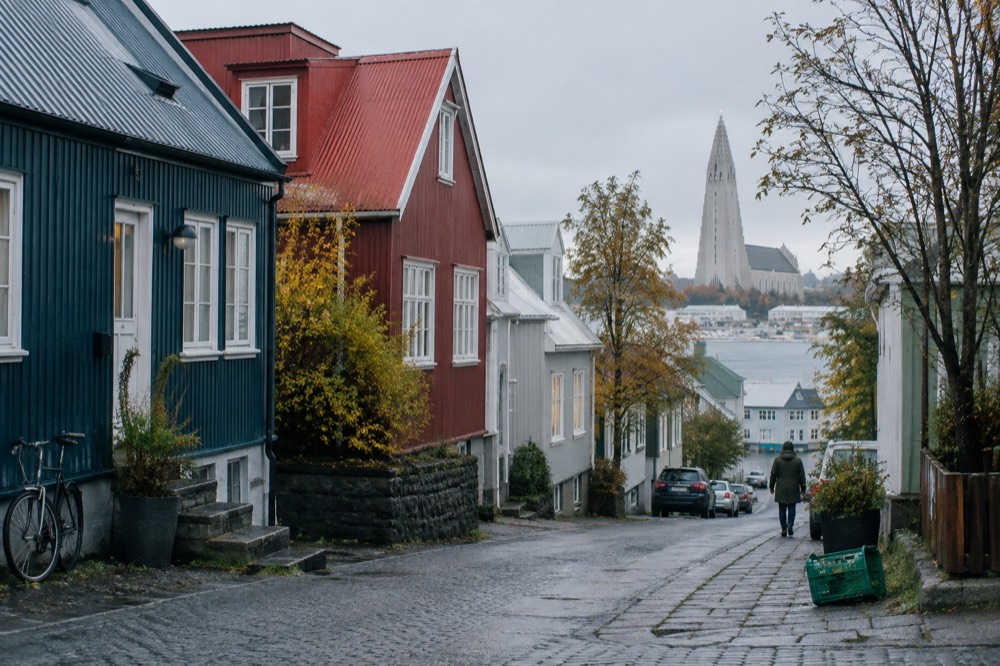
The city's own tourism office maintains a free-things page, and most of what it lists checks out against the primary sources: Harpa states plainly that "admission to Harpa and Hljóðhimnar is free", the Botanic Garden states "the garden is always open", and the city's street art programme counts more than 160 mapped works you can walk to without paying anyone anything. Visit Reykjavik's own free things to do list is the best single cross-check for anything on this page.
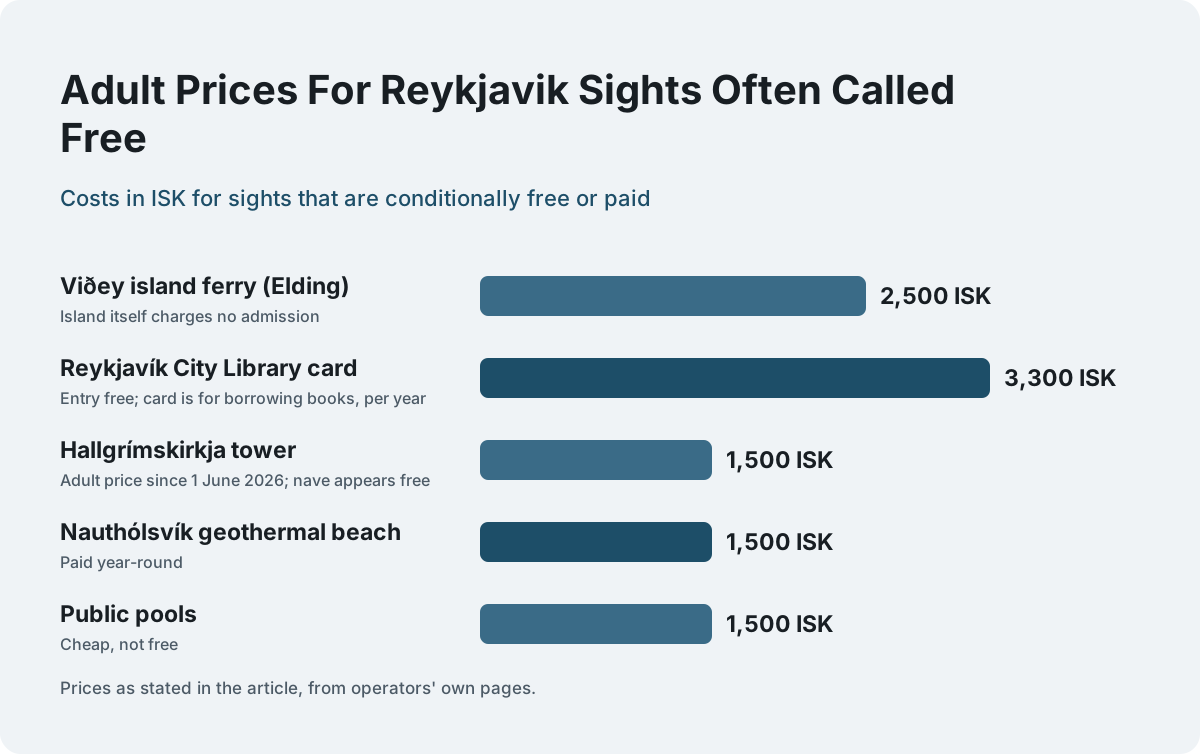
The distinction that matters is between "free" and "conditionally free". Grótta lighthouse costs nothing but bans all access from 1 May to 15 July for arctic tern nesting, and its causeway floods at high tide. Viðey island charges no admission, but the Elding ferry is 2,500 ISK for an adult. The public pools are cheap at 1,500 ISK, not free, and the geothermal beach is paid year-round. A conditionally free sight is still a bargain, but calling it simply free is how bad advice spreads.
| Category | Examples | What you actually pay |
|---|---|---|
| Genuinely free | CityWalk tour, Harpa foyer, Sun Voyager, Rainbow Street, Tjörnin, Botanic Garden, Öskjuhlíð, street art | Nothing, tips optional on walks |
| Conditionally free | Grótta (closed 1 May–15 Jul), Viðey island (ferry 2,500 ISK), museums for under-18s | Nothing at the sight, but a ferry, a parking fee or an age condition applies |
| Paid, often mislabelled free | Nauthólsvík beach (1,500 ISK), Hallgrímskirkja tower (1,500 ISK), public pools (1,500 ISK), Perlan deck | Full admission, no free window |
Which Free Walking Tour Should You Take In Reykjavik?
For an English speaker there are exactly two walks to choose between: the CityWalk tour, rated 9.6 out of 10 across 6,683 freetour.com reviews, running daily at 10:30 and 13:30 from Austurvöllur, and the smaller Sweet Streets walk on GuruWalk, rated 4.6 out of 5 across 87 GuruWalk reviews, running Monday, Thursday, Friday, Saturday and Sunday at 11:00. A third walk, by Rainbow Tours, runs in Spanish only.
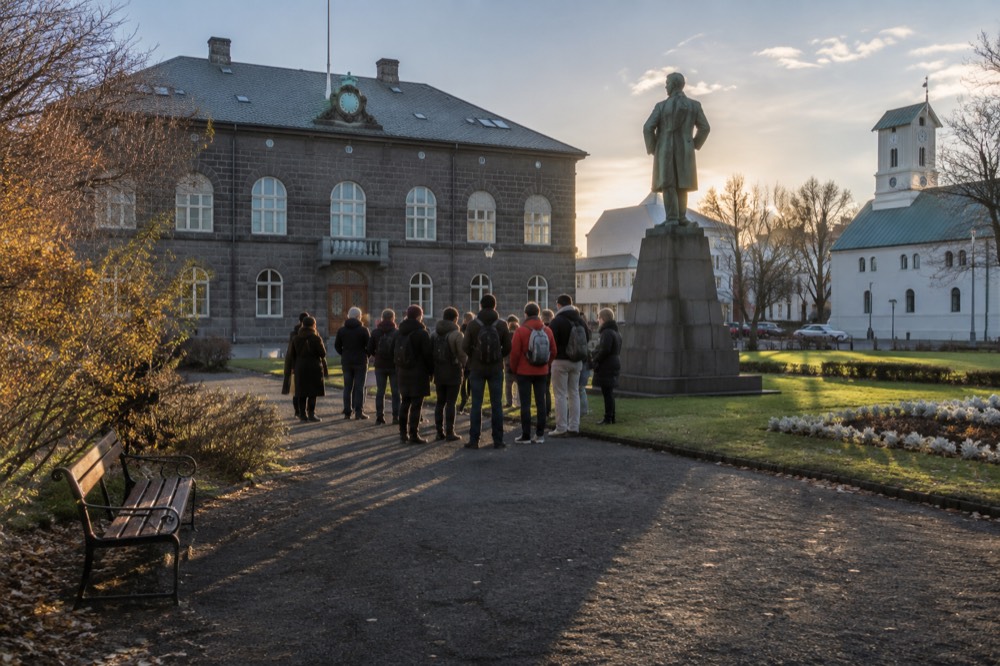
CityWalk is the long-running, dominant free walk in this city, and it is not close. Founded in 2014 by Marteinn Briem, a history graduate, it runs every day of the year in English, covers about 2 km in 2 hours from Austurvöllur in front of the Parliament building to City Hall, and passes Parliament, Laugavegur, Tjörnin, Grjótaþorp and Rainbow Street. The price is a donation you set yourself at the end, in cash or by card. Bookings are capped at 6 people, and the tour is wheelchair accessible. One honest caveat from CityWalk's own page: Harpa and Hallgrímskirkja are seen from a distance, not visited. Our companion page on the free walking tour scene in Reykjavik goes deeper on the route.
Sweet Streets is the smaller GuruWalk alternative, run by guides Gigi and Goran in English and Spanish, meeting at the Harpa concert hall. Its listed departures are Monday, Thursday, Friday, Saturday and Sunday at 11:00 in English; its Spanish departures are ad hoc, so treat the English schedule as the real one. Two practical points matter more than the itinerary: the walk is cash only, because on a pay-what-you-want walk the tip is the entire payment, and it needs a minimum of 5 bookings to run, with a maximum of 10. Cancellation is free, with the guides asking that you cancel rather than no-show. The meeting point has a quirk: the structured address and the guide's own written instruction sit about 300 metres apart, so the guide's instructions on the GuruWalk listing are the ones to follow.
The meeting point for CityWalk, Austurvöllur, is itself one of the free sights: a public square and park facing the Parliament building, where the National Day ceremony is held every 17 June. Arrive ten minutes early and you get a small park, a statue of Jón Sigurðsson and the front of the Alþingi for nothing.
Which Landmarks And Public Buildings Can You Enter For Free?
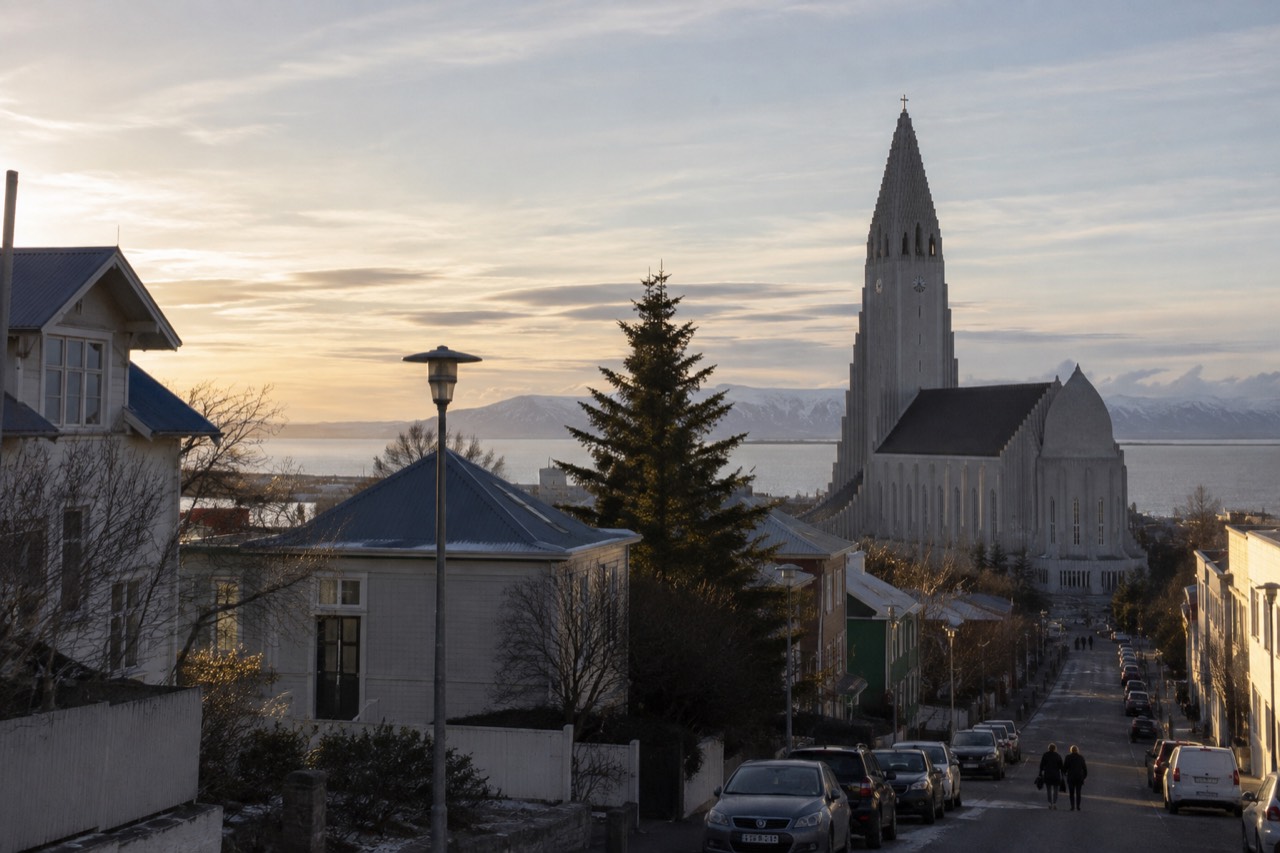
Harpa concert hall is the headline free interior: admission to the building and to the Hljóðhimnar sound installation on the ground floor is free, with opening hours of 10:00–18:00 Sunday to Tuesday and 10:00–20:00 Wednesday to Saturday. The Hallgrímskirkja nave appears free to enter, though the church's own site only prices the tower, and the Einar Jónsson sculpture garden behind the church is free year-round.
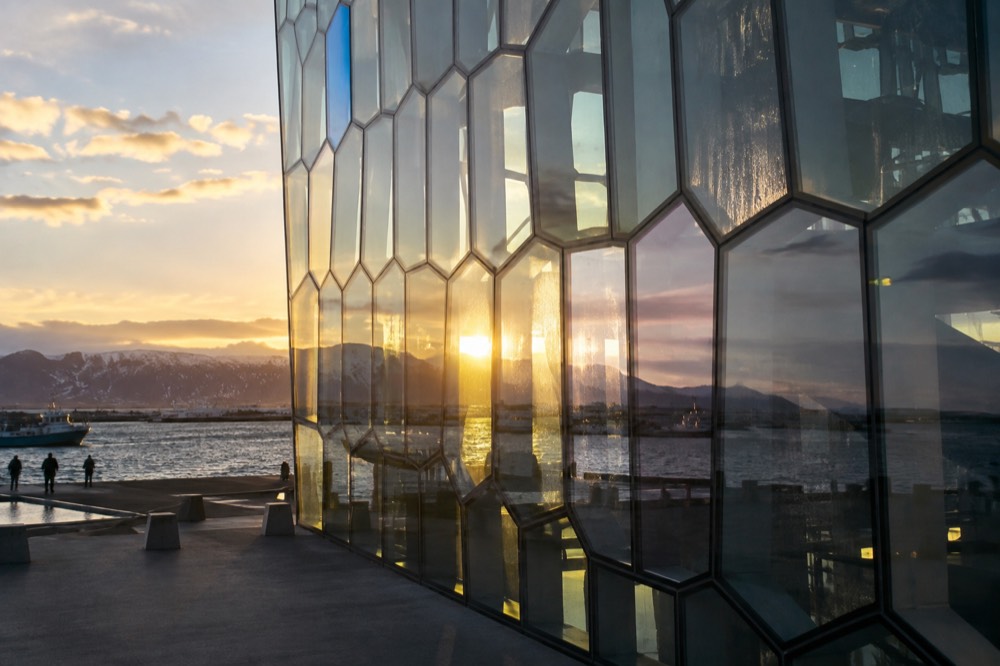
Harpa is the easiest free win in the city. The building's own welcome page states that admission to Harpa and to Hljóðhimnar, the sound installation in the foyer, costs nothing, and the geometric glass facade is worth seeing from the outside even when the building is closed. Sweet Streets meets here, which makes it a natural stop either side of that walk.
Hallgrímskirkja needs a careful sentence. The tower is definitively paid, 1,500 ISK for an adult since 1 June 2026, per the church's own opening times and prices page. The nave is widely described as free, and the church's price list covering tower tickets only supports that, but the site never states it outright, so go in expecting a donation box rather than a guarantee. The Einar Jónsson sculpture garden behind the church is unambiguous: free year-round, with the museum interior paid separately.
The Reykjavík City Library is free to enter, with a borrowing card at 3,300 ISK a year for those who want to take books home. As a visitor you can walk in, read, use the space and often catch a free event without paying anything. It is the one indoor free option that doubles as a rainy-day plan.
Where Can You See Street Art And Rainbow Street For Free?
Rainbow Street, the painted stretch of Skólavörðustígur running up toward Hallgrímskirkja, is a public street and costs nothing, and the city maps more than 160 street art works that are free to walk past, per the city's own street art programme. Both are outdoors, always open and best combined in one walk from Laugavegur up to the church. A free walk covers this ground: Morning Walk From Harpa, Cash Tips.
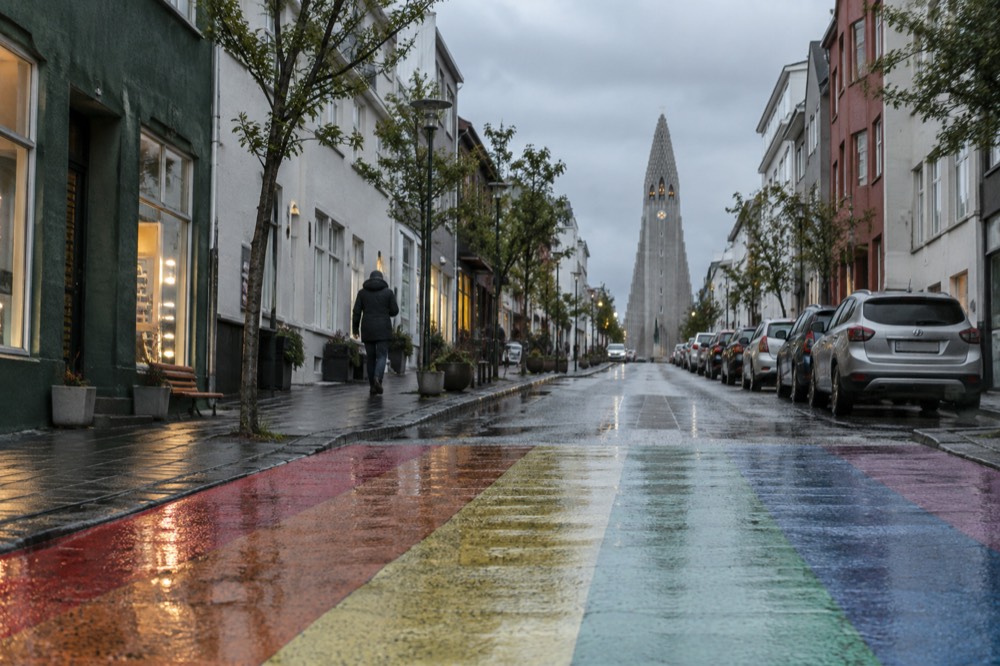
Rainbow Street was painted as a joint city and Reykjavík Pride initiative and repainted regularly, so photograph it on the way up rather than assuming the colours will match an older picture. The slope delivers you straight to Hallgrímskirkja, which makes the free nave-and-sculpture-garden combination above a natural continuation.
The street art is the city's most underrated free attraction. Reykjavík's official programme has mapped over 160 works across the centre, concentrated around Laugavegur and the Grandi district, and the city's own line on it is blunt: you do not have to pay to enjoy street art. Give it an hour with the map open and you will see more art per step than in any of the paid galleries.
If a walk is what you want rather than a self-guided route, the tip-based walks above cover this territory too, and you can see this free tour on its listing before deciding.
The two options suit different travellers, and it is worth being honest about the difference. CityWalk has a decade of reviews behind it and two departures a day; Sweet Streets is smaller, capped at 10 people, and needs a minimum of 5 bookings to run, so an off-season solo traveller should weigh that before committing to the 11:00 slot.
What Does The Waterfront Give You For Nothing?
The Sun Voyager sculpture on Sæbraut is free and always accessible, and the Old Harbour and Grandi quays are free public space year-round, including the Þúfa art mound with its 360-degree view. The waterfront walk from the Sun Voyager to Grandi is flat, about 20 to 30 minutes at a stroll, and every part of it is public.
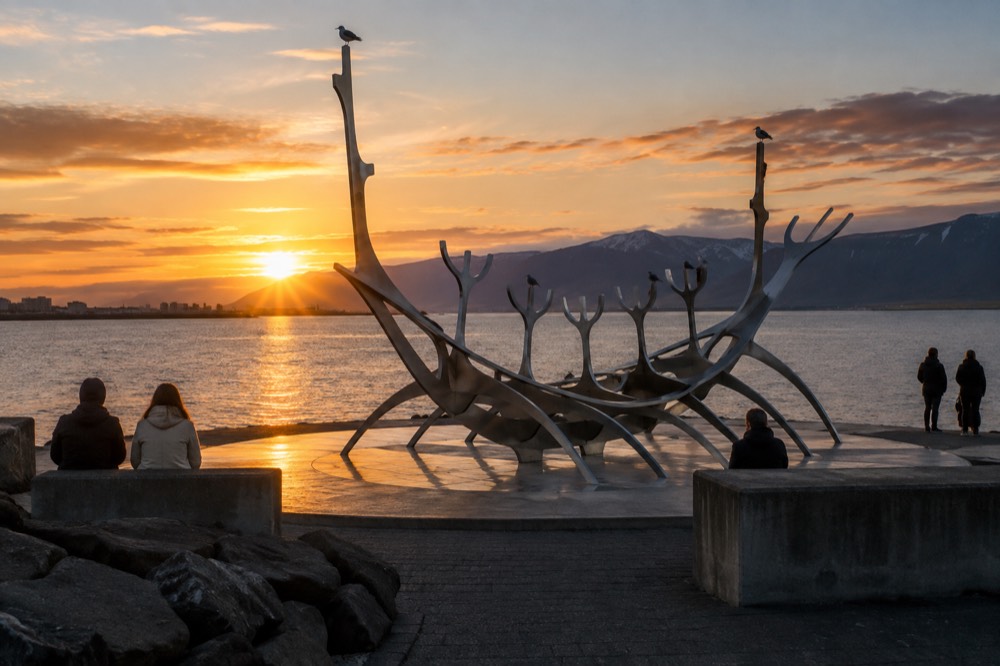
The Sun Voyager, a stainless steel dream-boat by Jón Gunnar Árnason, is the most photographed free object in the city. Ignore any "opening hours" you see attached to it on listings; it is an unfenced sculpture on a public path, and those hours are a database artifact, not a rule.
The Old Harbour walk continues west into Grandi, where the quays, the Þúfa mound and the harbour views are all public. The museums and boat trips along the way are paid and separate, but the walk itself, the fishing boats and the mound view cost nothing. Our page on the Old Harbour and Grandi district maps the full route.
Which Parks, Ponds And Gardens Are Free In Reykjavik?
Tjörnin pond and Hljómskálagarður park are free and open, the Reykjavík Botanic Garden is always open with no gate fee, and Elliðaárdalur valley offers free paved riverside paths inside the city. Austurvöllur square, covered above, completes the set. None of these charges admission at any time of year.
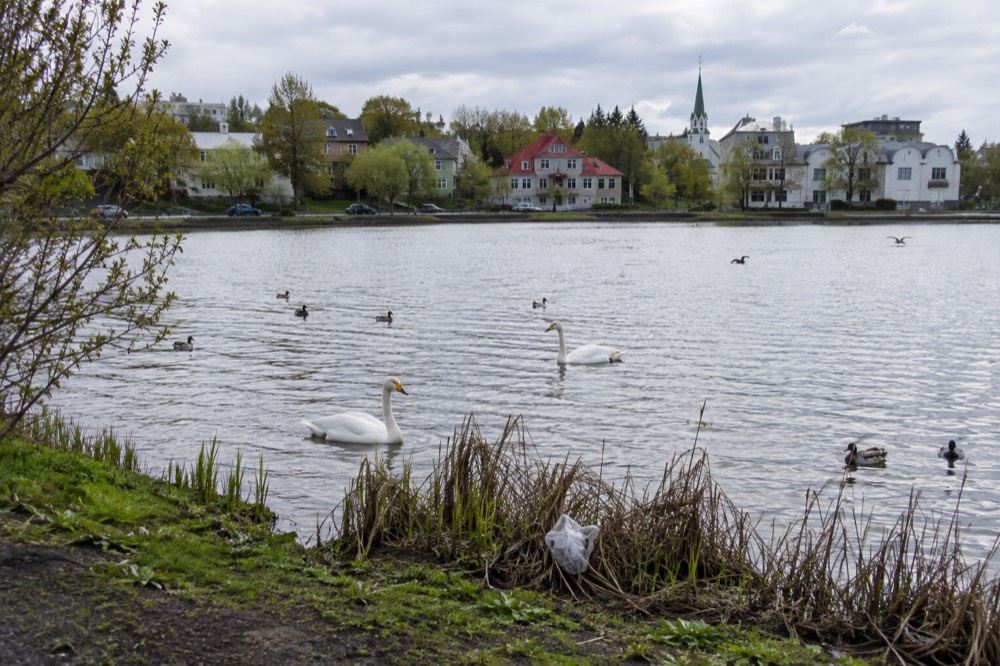
Tjörnin is the simplest free thing in the city: a pond in the centre with a park along its shore, swans and ducks in quantity, and City Hall at its southern end, which is where the CityWalk tour finishes. In winter the pond often freezes and locals skate on it. Hljómskálagarður beside it hosts the National Day afternoon programme every 17 June.
The Botanic Garden in Laugardalur states on its own pages that the garden is always open, with the greenhouse keeping shorter hours, 10:00–18:00 in summer and 10:00–15:00 in winter. It is small, dense and a genuinely good picnic stop; a supermarket basket for a picnic runs roughly 900–2,500 ISK per person if you shop at Bónus or Krónan.
Where Can You Hike Or Watch Northern Lights For Free Near The City?
Öskjuhlíð hill's wooded trails are free and give the best free city view, Mount Esja's trails across the fjord are free to hike, Elliðaárdalur and Heiðmörk are free nature reserves, and northern lights are visible from free public spots including Klambratún, Öskjuhlíð, Grótta and Elliðaárdalur between September and April. The Perlan observation deck on top of Öskjuhlíð is the paid exception, since it cannot be bought separately from a Perlan ticket.
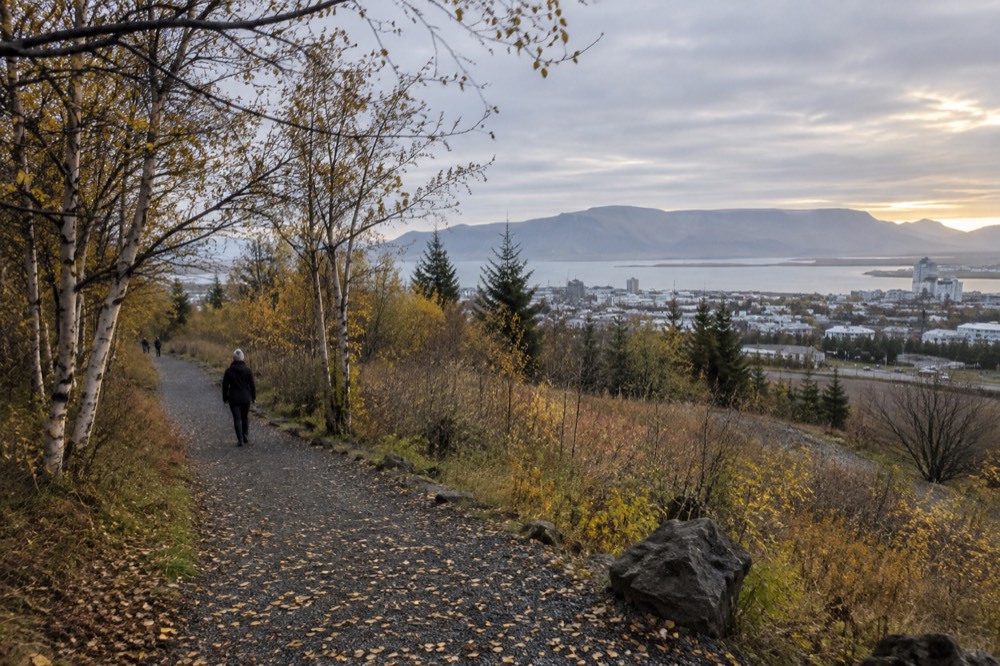
Öskjuhlíð is the free answer to Perlan. The woods and trails up the hill cost nothing and deliver what the city calls an equally stunning view; the Perlan building at the top is ticketed, and its observation deck is only sold as part of a full Perlan ticket, never separately, so the hillside path is the free version of the same panorama.
Esja, the mountain across Kollafjörður, is the serious free hike, with trails for several abilities and no trail fee. Parking at the trailhead is unverified either way, so arrive without assumptions. Heiðmörk, 3,200 hectares of reserve on the city edge, is free, with berry picking from mid-August to mid-September where permitted.
For northern lights, the season runs September to April, and the free viewing spots are public parks and dark shorelines. The details, including the tide and closure caveats at Grótta, are in our northern lights in Reykjavik guide.
| Free spot | What it gives | Caveat |
|---|---|---|
| Öskjuhlíð | Wooded hill trail, city and bay view | Perlan itself is paid |
| Klambratún | Dark city park, short walk from centre | Pick a clear, dark night |
| Grótta | Dark sea horizon, lighthouse | Closed 1 May–15 Jul; causeway floods at high tide |
| Elliðaárdalur | River valley, minimal light pollution | A bus or car ride from the centre |
| Mount Esja | Mountain trails across the fjord | Weather changes fast; parking status unverified |
What Free Events And Festivals Happen In Reykjavik?
The free festival calendar is anchored by Menningarnótt, Culture Night, next held on Saturday 21 August 2027 with the whole programme free and Strætó buses free from 22:00 to 23:00 after the fireworks; Vetrarhátíð, the Winter Lights Festival, on 4–7 February 2027 including free Museum Night; the 17 June National Day celebrations; and ten free New Year's Eve bonfires across the city. All are genuinely free with no pass or card.
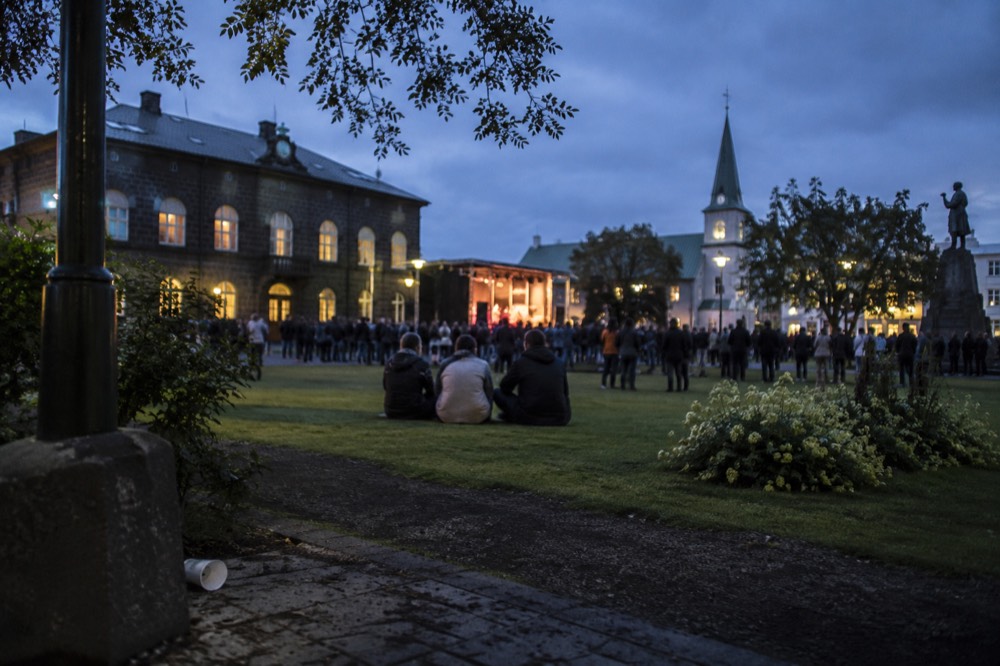
Culture Night is the single best day of the year to be in Reykjavik for free. Museums and galleries open free or late, street performances fill the centre, and the fireworks close the night near Arnarhóll, after which the city puts on free buses for an hour. The Winter Lights Festival in early February spreads light installations from the Hallgrímskirkja area to City Hall, and its Museum Night, Safnanótt, opens participating museums, including Reykjavík Art Museum and the City Museum branches, at no charge. Which specific 2027 nights carry Museum Night and Pool Night had not been confirmed on the festival's own subpages, so check the programme closer to the date.
National Day on 17 June runs a ceremony at Austurvöllur at 11:00, a parade from Hallgrímskirkja at 13:00 and an afternoon of free activity in Hljómskálagarður. On New Year's Eve the city lights ten public bonfires, and personal fireworks are banned at the sites, so the show is communal and free to watch.
| Event | When | Free scope |
|---|---|---|
| Menningarnótt (Culture Night) | Saturday 21 August 2027 | All events free; free buses 22:00–23:00 |
| Vetrarhátíð (Winter Lights Festival) | 4–7 February 2027 | Light trail and events free admission |
| Safnanótt (Museum Night) | Within Vetrarhátíð | Free entry at participating museums |
| Sundlauganótt (Pool Night) | Within Vetrarhátíð | Free 17:00–21:00 at participating pools only |
| 17 June National Day | 17 June annually | Ceremony, parade, concerts, all free |
| New Year's Eve bonfires | Annually on New Year's Eve | Ten public bonfires, free to attend |
What Is Not Free In Reykjavik Despite The Claims?
The four main traps are the Nauthólsvík geothermal beach, paid 1,500 ISK year-round with no free summer window; the Hallgrímskirkja tower at 1,500 ISK for adults; the public swimming pools at 1,500 ISK, cheap but not free; and anything marketed as free with the Reykjavík City Card, which is itself a paid product at 6,100 ISK for 24 hours. Perlan's observation deck cannot be bought separately from a full ticket.
The Nauthólsvík claim is the stubborn one. The widely repeated "free from 15 May to 15 August" window is contradicted by the beach's own tariff, which is one flat entrance fee matching the city pool tariff in force since 5 May 2026, per the beach's official site. Adults pay 1,500 ISK, children 9 and under are free, and 10 to 17-year-olds pay 400 ISK.
The pools fall into the same category: 1,500 ISK for an adult is excellent value for geothermal water, but it is a price, and the official pool tariff on reykjavik.is is the source. The City Card, at 6,100 ISK for 24 hours, is a paid product that bundles paid sights; anything described as "free with the City Card" is not free, which is the single most common way free-lists mislead in this city.
| Sight | Claim you will read | Reality | Adult price |
|---|---|---|---|
| Nauthólsvík geothermal beach | Free in summer | Paid year-round, flat fee | 1,500 ISK |
| Hallgrímskirkja tower | Church is free | Nave likely free, tower paid | 1,500 ISK |
| Public pools | Free hot springs | Cheap, not free | 1,500 ISK |
| Perlan observation deck | Free viewpoint | Deck only with a full ticket | Not sold separately |
| Reykjavík City Card | Makes things free | A paid bundle | 6,100 ISK / 24h |
| Reykjavík Art Museum | Free day exists | No free day at any site | 2,550 ISK |
Under-18s do get genuine free entry at the Art Museum, National Museum, National Gallery, Settlement Exhibition and Árbæjarsafn, so families with children can build a free museum day from the children's side of the counter. Grótta is free but closes entirely from 1 May to 15 July, and the Viðey ferry, 2,500 ISK, means the island itself is conditionally free at best. For anyone stretching a whole trip, our Iceland on a budget guide covers the countrywide version of this arithmetic.
The full picture of what costs nothing in this city, walk by walk and sight by sight, is what Free Things To Do In Reykjavik exists to document, and every figure on this page comes from the operator's or the city's own published pages.
If your trip includes Spanish speakers in your group, note the third walk: Rainbow Tours runs a Spanish-only legends walk from Arnarhóll, Monday to Friday at 17:00 and Saturday and Sunday at 11:00, listed on GuruWalk as a new tour created on 27 August 2026 with no reviews yet. It is the same walk under the same operator on both GuruWalk and freetour.com, not two separate options, and it takes up to 25 people with a minimum of 5 to run.
For English speakers the choice stays where it started, between the long-running CityWalk walk and the smaller Sweet Streets one. And beyond the walks, the free sights worth building a day around are the ones this page has already walked through: the Elliðaárdalur valley paths inside the city, the Grótta lighthouse walk when the tern closure and the tide allow it, and the bundle of museums and pools the paid City Card covers for anyone who decides a pass suits their plans after all.
Common Questions About Free Things In Reykjavik
What is genuinely free in Reykjavik?
The CityWalk tip-based tour, Harpa's foyer and sound installation, the Sun Voyager, Rainbow Street, Tjörnin pond, Austurvöllur, the Botanic Garden, Öskjuhlíð hill, the mapped street art, Elliðaárdalur valley and the September-to-April northern lights from public spots all cost nothing, with no condition attached.
Which free walking tour should you take in Reykjavik?
For English speakers there are two: CityWalk, rated 9.6 out of 10 across 6,683 freetour.com reviews, daily at 10:30 and 13:30, and Sweet Streets on GuruWalk, rated 4.6 out of 5 across 87 GuruWalk reviews, Monday, Thursday, Friday, Saturday and Sunday at 11:00. The Rainbow Tours walk is Spanish only.
Is the Nauthólsvík geothermal beach free?
No. It charges 1,500 ISK for adults year-round, with no free summer window. The repeated claim of a free period from mid-May to mid-August is contradicted by the beach's own flat tariff.
Is Hallgrímskirkja free to enter?
The nave appears free, since the church's own price list covers only tower tickets, but the tower costs 1,500 ISK for an adult since 1 June 2026. The Einar Jónsson sculpture garden behind the church is free year-round.
When can you see the northern lights in Reykjavik for free?
From September to April, on clear, dark nights, from free public spots including Klambratún, Öskjuhlíð, Elliðaárdalur and Grótta. Grótta bans all access from 1 May to 15 July and its causeway floods at high tide.
Is the Reykjavík City Card free?
No. It costs 6,100 ISK for 24 hours, so anything described as free with the City Card is a paid attraction bundled into a paid pass, not a free thing.