Is The Blue Lagoon Worth It?
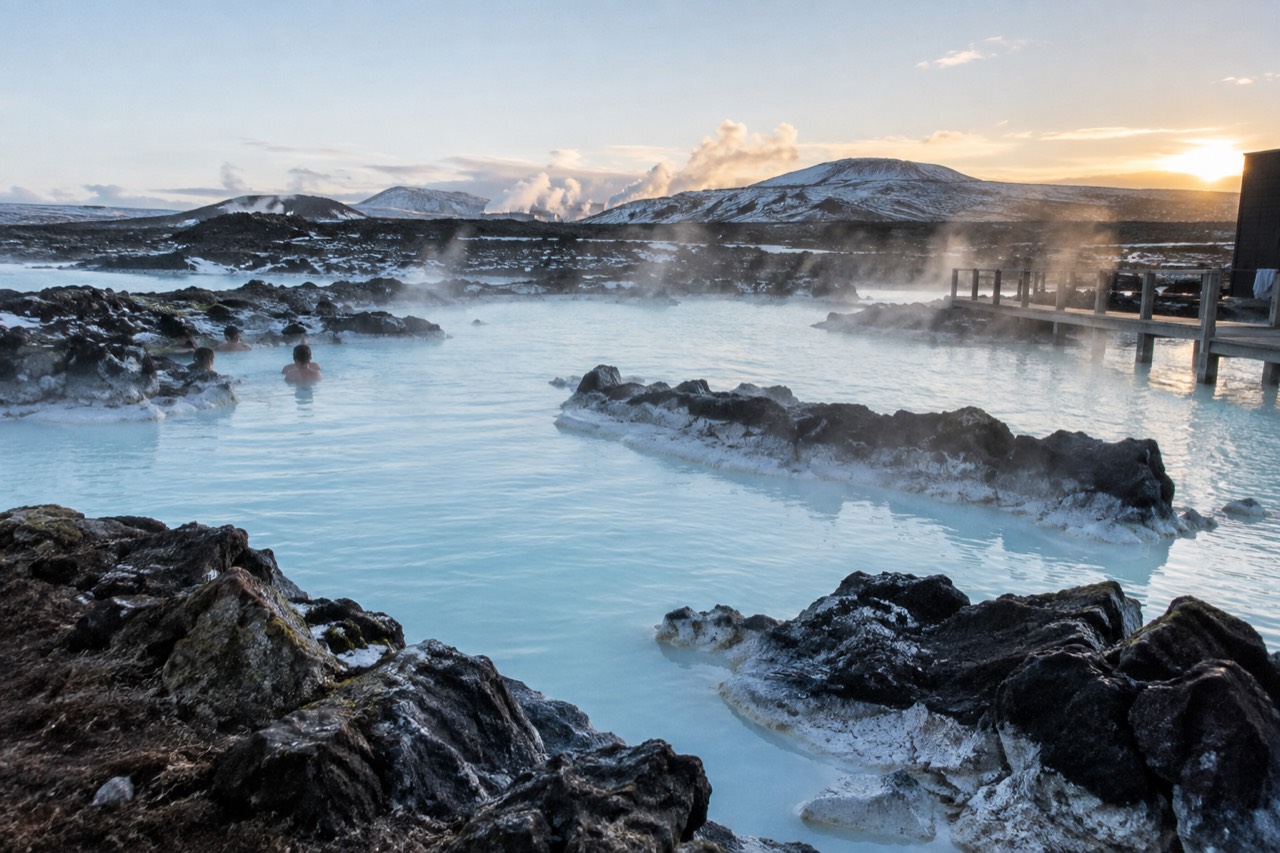
The Blue Lagoon is one of those places that defines a trip to Iceland. The milky-blue water, the silica mud masks, the steam drifting across black lava fields, it all looks exactly like the postcards. But with entry packages starting well above the cost of a nice dinner in Reykjavik, the question every budget-conscious traveler asks is the same: is it actually worth it?
The answer depends on what you expect. If you want the iconic Icelandic spa experience, complete with a swim-up bar, a silica mud station, and the bragging rights that come with it, the Blue Lagoon delivers. But if all you really want is a long soak in geothermally heated water, Reykjavik and its surroundings offer a surprising number of alternatives that cost a fraction of the price, or nothing at all. This article breaks down the real value of a Blue Lagoon visit and shows you how to get the same geothermal glow without the steep entry fee.
Is The Blue Lagoon Worth It?
For many visitors, the Blue Lagoon is a once-in-a-lifetime experience worth the steep price if you value iconic Icelandic geothermal bathing, but if your budget is tight, Reykjavik offers plenty of free and cheap alternatives that deliver a similar soak without the crowds or the cost. The lagoon’s setting is genuinely stunning, and the silica-rich water is soothing, but the high price, the need to book weeks ahead, and the tourist-heavy atmosphere mean it’s not the only way to enjoy Iceland’s geothermal gifts.
The Blue Lagoon sits in a lava field on the Reykjanes Peninsula, about a 20-minute drive from Keflavík Airport and 50 minutes from Reykjavik. It’s not a natural hot spring but a man-made lagoon fed by the runoff from the nearby Svartsengi geothermal power plant. The water is a constant, comfortable warmth, rich in silica, algae, and minerals that many visitors credit with softening their skin. The basic Comfort package includes entrance, a silica mud mask, use of a towel, and a drink from the in-water bar. Premium packages add bathrobes, slippers, a reservation at the Lava Restaurant, and extra treatments.
What you’re paying for is the spectacle and the convenience. The Blue Lagoon is expertly run, the facilities are modern, and the whole experience feels polished. But it’s also crowded. Even with timed entry slots, the lagoon can feel busy, especially in the afternoon. And because tickets often sell out days or weeks in advance, spontaneity isn’t an option. If you’re traveling on a tight budget or prefer a quieter, more local soak, the alternatives below might suit you better.
While you’re weighing the Blue Lagoon against your budget, Reykjavik’s free walking tours offer a completely different way to stretch your króna. Both the long-running CityWalk and the newer Sweet Streets tour let you explore the city on foot with a knowledgeable guide, tipping only what you feel the tour was worth at the end. It’s a genuine pay-what-you-want model, and it’s a great way to get your bearings before you head to any geothermal pool.
What Do You Actually Get At The Blue Lagoon?
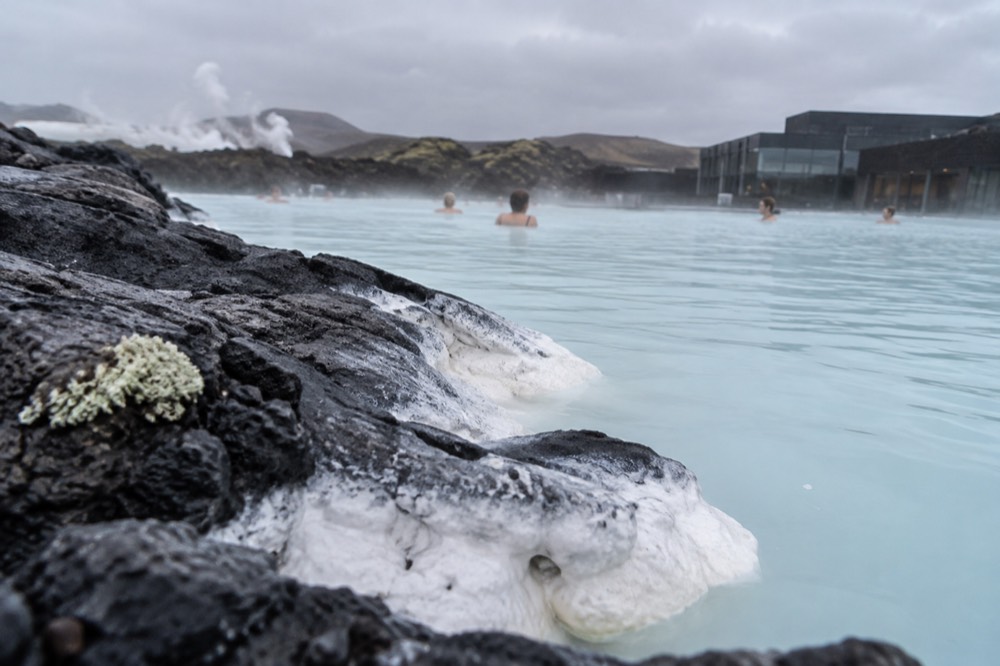
A Blue Lagoon visit gives you access to the large geothermal lagoon, a silica mud mask, a towel, and one free drink at the in-water bar with the basic Comfort package, while the Premium tier adds a bathrobe, slippers, a reservation at the Lava Restaurant, and an extra mask. The water temperature is a steady, pleasant warmth, the lagoon is surrounded by a modern complex with lockers, showers, and a café, and the whole experience is designed to feel exclusive and relaxing.
The main draw is the water itself. The opaque, pale-blue color comes from the way silica reflects sunlight, and the lagoon is large enough that you can always find a quiet corner, even on a busy day. Silica mud buckets are stationed around the edge, and most visitors spend at least a few minutes coating their face and arms before rinsing off. The swim-up bar serves smoothies, beer, and wine, and the sauna and steam rooms are included in every ticket.
What you won’t get is a natural hot spring experience. The Blue Lagoon is a byproduct of geothermal energy production, and while the water is clean and frequently renewed, it doesn’t have the wild, untouched feel of a hidden hot river. The surrounding landscape is dramatic, with black lava and steam vents, but the facility itself is a large, purpose-built spa complex. If you’re looking for a more rustic, nature-immersed soak, the free and cheap alternatives later in this article will appeal more.
If you decide the Blue Lagoon isn’t your style, a free walking tour is an excellent zero-cost way to fill your day. The Twice-Daily English City Walk covers Reykjavik’s main landmarks in two hours and runs on a tip-only basis, so you can join without spending anything upfront.
Free And Cheap Geothermal Bathing Alternatives In Reykjavik
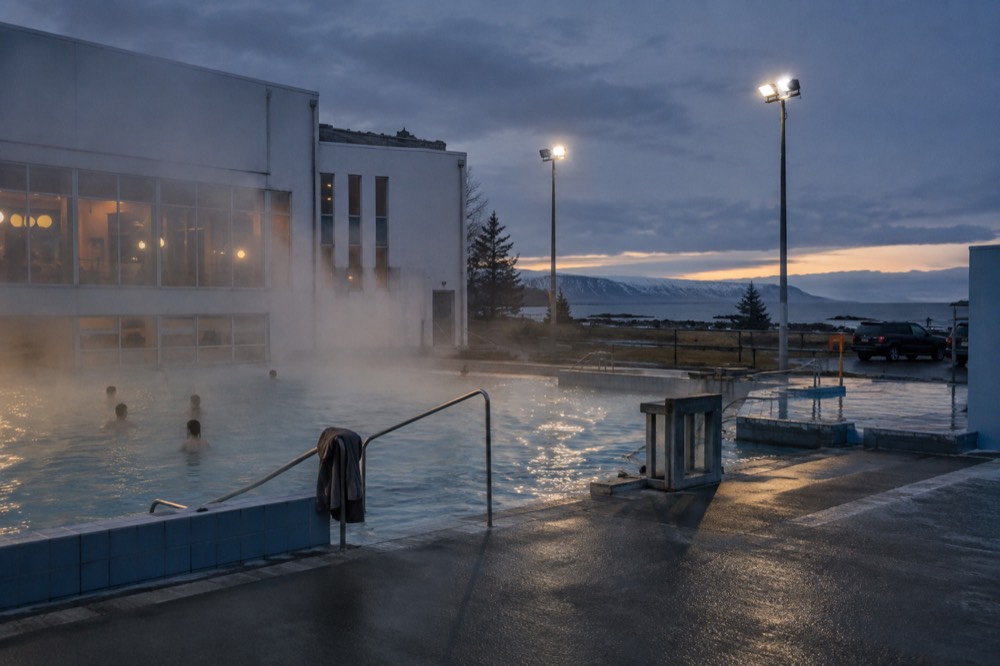
You can soak in geothermally heated water for a fraction of the Blue Lagoon’s cost, or even for free, at Reykjavik’s public swimming pools, the Nauthólsvík geothermal beach, and during the annual Sundlauganótt event, all of which offer a warm, mineral-rich soak without the luxury price tag. These options lack the spa extras, but they deliver the same geothermal warmth and a far more local atmosphere.
Nauthólsvík geothermal beach
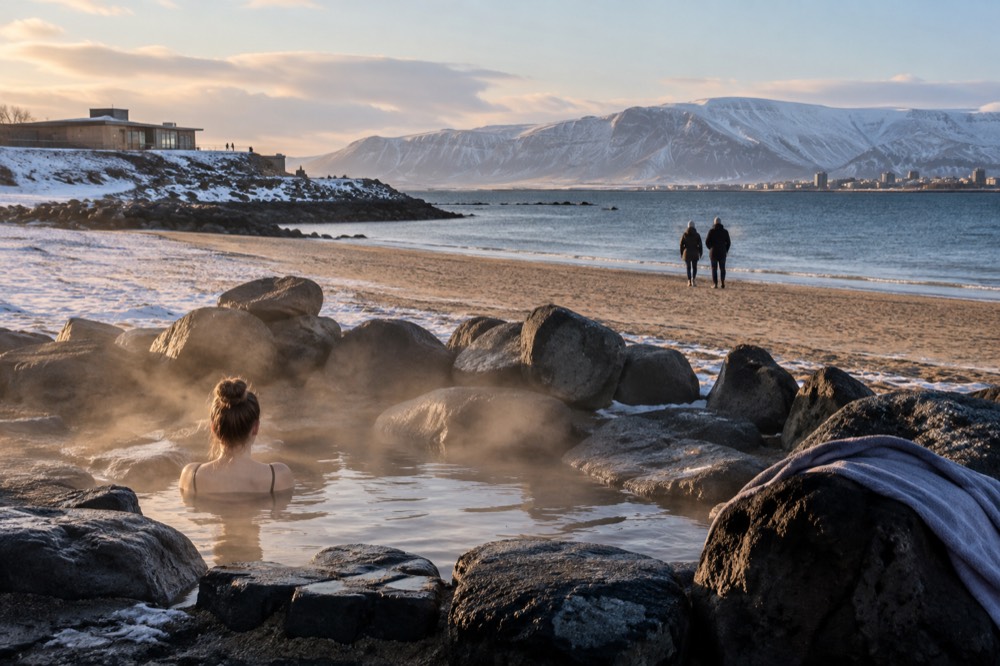
Nauthólsvík is a sandy beach with a geothermally heated lagoon just south of the city center. The water is pumped in and kept warm year-round, and there’s a steam bath, hot tubs, and a small café. It’s not free, despite what many travel blogs claim. The official tariff, in effect since May 5, 2026, charges adults 1,500 ISK, children aged 10–17 400 ISK, and kids 0–9 enter free. There is no free summer window; the fee applies in all seasons. The beach is a popular local spot on sunny days, and the view across the bay to the mountains is lovely. For the price of a single Blue Lagoon ticket, you could visit Nauthólsvík several times. For more details, see our full guide to Nauthólsvík geothermal beach.
Reykjavik city swimming pools
Reykjavik’s public pools are a cornerstone of local life, and every neighborhood has one. Laugardalslaug, the largest, has a 50-meter outdoor pool, multiple hot tubs at different temperatures, a steam bath, and a waterslide. The water is geothermally heated, and the facilities are clean and well-maintained. The adult entry fee is 1,500 ISK, the same as Nauthólsvík, while children 10–17 pay 400 ISK and under-10s are free with an adult. That’s less than a tenth of a typical Blue Lagoon Comfort ticket, and you can stay as long as you like. The pools are open year-round, and going for a soak after dark with the steam rising into the cold air is its own kind of magic.
Sundlauganótt: Pool Night
Once a year, during the Vetrarhátíð (Winter Lights Festival) in early February, Reykjavik holds Sundlauganótt, a free pool night. From 17:00 to 21:00, several city pools open their doors at no charge. It’s a genuinely free event, no City Card or ticket required. The exact date changes each year, but it always falls within the festival period, which in 2027 runs from 4–7 February. The pools are lively with music and special lighting, and it’s a wonderful way to experience Icelandic pool culture alongside locals. Just check the official Reykjavik events page for the confirmed night and participating pools, as the schedule isn’t always published far in advance.
Kvika foot bath
Kvika is a small, stone-built foot bath on the Seltjarnarnes peninsula, right beside the sea with views across to Mount Esja. There is no admission fee and it is open year-round, though it offers only a shallow soak for your feet. No changing rooms or other facilities are provided, but it’s a serene spot to warm up without spending anything.
Reykjadalur hot river
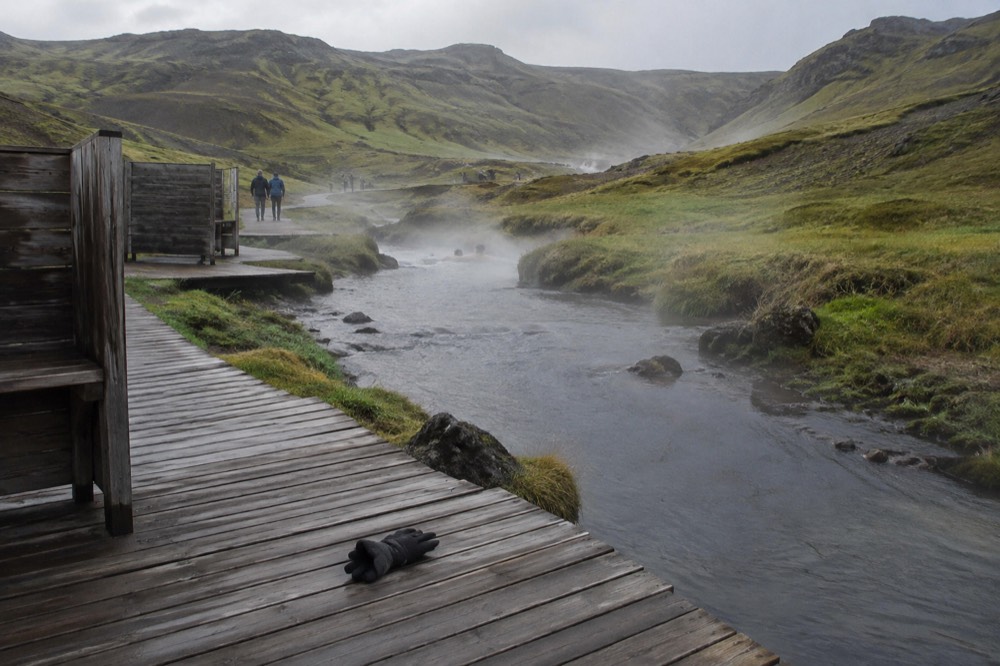
The Reykjadalur hot river lies about a 45-minute drive from Reykjavik. From the parking area, a well-marked trail winds uphill for around an hour to reach the steaming river. Bathing is free; only parking may require a small fee (via the Parka app). There are no lifeguards, bathrooms, or changing rooms, so visitors should bring swimwear, a towel, and sturdy shoes. Wading into the gradually deepening, geothermal water is one of Iceland’s most memorable natural experiences.
| Geothermal option | Cost (adult) | Type | Notes |
|---|---|---|---|
| Blue Lagoon | High (see official site) | Luxury spa | Book weeks ahead, crowded, iconic blue water |
| Nauthólsvík geothermal beach | 1,500 ISK | Geothermal beach lagoon | Steam bath, hot tubs, sea view; no free summer window |
| Reykjavik public pools (e.g., Laugardalslaug) | 1,500 ISK | Public swimming pool | Multiple hot tubs, steam bath, local atmosphere |
| Sundlauganótt (Pool Night) | Free | Annual free pool evening | One night during Vetrarhátíð, several pools open free |
| Kvika foot bath | Free | Geothermal foot bath | Small stone pool by the sea, Seltjarnarnes |
| Reykjadalur hot river | Free | Natural hot river | Requires ~1 hour hike each way; parking may have a fee |
Other Free Geothermal Experiences Near Reykjavik
For a completely free geothermal soak, head to the Kvika foot bath on the Seltjarnarnes peninsula or hike to the Reykjadalur hot river near Hveragerði, both of which cost nothing to enter and offer a natural alternative to the Blue Lagoon. These spots require a little more effort to reach, but the reward is a soak with no entry fee and far fewer people.
Kvika foot bath
Kvika is a small, human-made foot bath built into the rocks at the edge of the sea on the Seltjarnarnes peninsula, just a ten-minute drive from downtown Reykjavik. The water is naturally heated by geothermal activity and flows into a shallow pool that’s perfect for dangling your feet. There’s no admission fee, and it’s open year-round. The setting is starkly beautiful, with the ocean on one side and the distant Esja mountain range on the other. It’s not a full-body soak, but for a free, quick geothermal fix with a view, it’s hard to beat.
Reykjadalur hot river
Reykjadalur, about 45 minutes from Reykjavik, is a steaming river that winds through a valley, and you can bathe in it for free. The catch is the hike: it’s a 3–4 kilometer uphill walk from the parking area, taking about an hour each way. The trail is well-marked, and the river itself has wooden boardwalks and simple changing screens. The water temperature varies along the river, so you can find a spot that’s just right. The hike and the bathing are free, but parking at the trailhead now carries a charge, though the exact tariff hasn’t been officially published by the Hveragerði municipality. Plan to bring a towel, water, and a snack, and check the weather before you go, as the trail can be muddy. For more free hot spring ideas, read our guide to free hot springs in Iceland.
Nordic House library card
Not a geothermal soak, but a free cultural stop: the Nordic House library offers free membership to anyone aged 18 and over. It’s a calm, beautifully designed space with books in multiple languages, a reading room, and occasional exhibitions. The building itself, designed by Finnish architect Alvar Aalto, is worth seeing, and the library card is valid for a full year. It’s a quiet, zero-cost way to spend an hour or two, especially on a rainy day.
Common Questions About The Blue Lagoon
Is The Blue Lagoon Worth It?
It depends on your budget and expectations. The Blue Lagoon is a spectacular, well-run geothermal spa with iconic blue water and modern facilities, but it’s expensive and often crowded. If you value the experience and don’t mind the cost, it’s worth it. If you’re looking for a cheaper, more local soak, Reykjavik’s public pools and the free alternatives above give you a similar geothermal experience for much less.
How much does the Blue Lagoon cost?
The Blue Lagoon’s entry fee varies by season and package, with basic Comfort tickets starting well above the cost of a typical Reykjavik dinner. Exact prices change regularly, so check the official Blue Lagoon website for the latest rates. Premium packages, which include extras like a robe and restaurant reservation, cost more.
What are the best free alternatives to the Blue Lagoon?
The top free geothermal experiences near Reykjavik are the Kvika foot bath on Seltjarnarnes and the Reykjadalur hot river hike near Hveragerði. Both are free to enter, though Reykjadalur requires a moderately strenuous hike and parking may carry a small fee. Sundlauganótt, the annual free pool night during the Winter Lights Festival, is another excellent free option.
Are Reykjavik’s public pools really a good substitute?
Yes. Reykjavik’s public pools, like Laugardalslaug, offer geothermally heated water, hot tubs, steam baths, and a genuine local atmosphere for just 1,500 ISK per adult. They lack the luxury spa extras, but the water quality and relaxation are comparable, and you’ll spend a fraction of the cost.
Can I visit the Blue Lagoon for free?
No, the Blue Lagoon is a paid attraction and there is no way to enter without a ticket. Even the surrounding area is not accessible without passing through the main entrance. The free alternatives in this article are completely separate locations.
If you’re still planning your Reykjavik itinerary, Free Things To Do In Reykjavik has detailed guides to every free attraction, walking tour, and budget tip the city offers, so you can experience Iceland without overspending. For more on what’s free across the country, see our post on what’s free in Iceland, and if you’re wondering about overall costs, read is Iceland expensive.