Is Iceland Expensive?
An honest answer to whether Iceland is expensive, with real 2026 prices for food, transport, pools and museums, plus what genuinely costs nothing in Reykjavik.
Is Iceland Expensive?
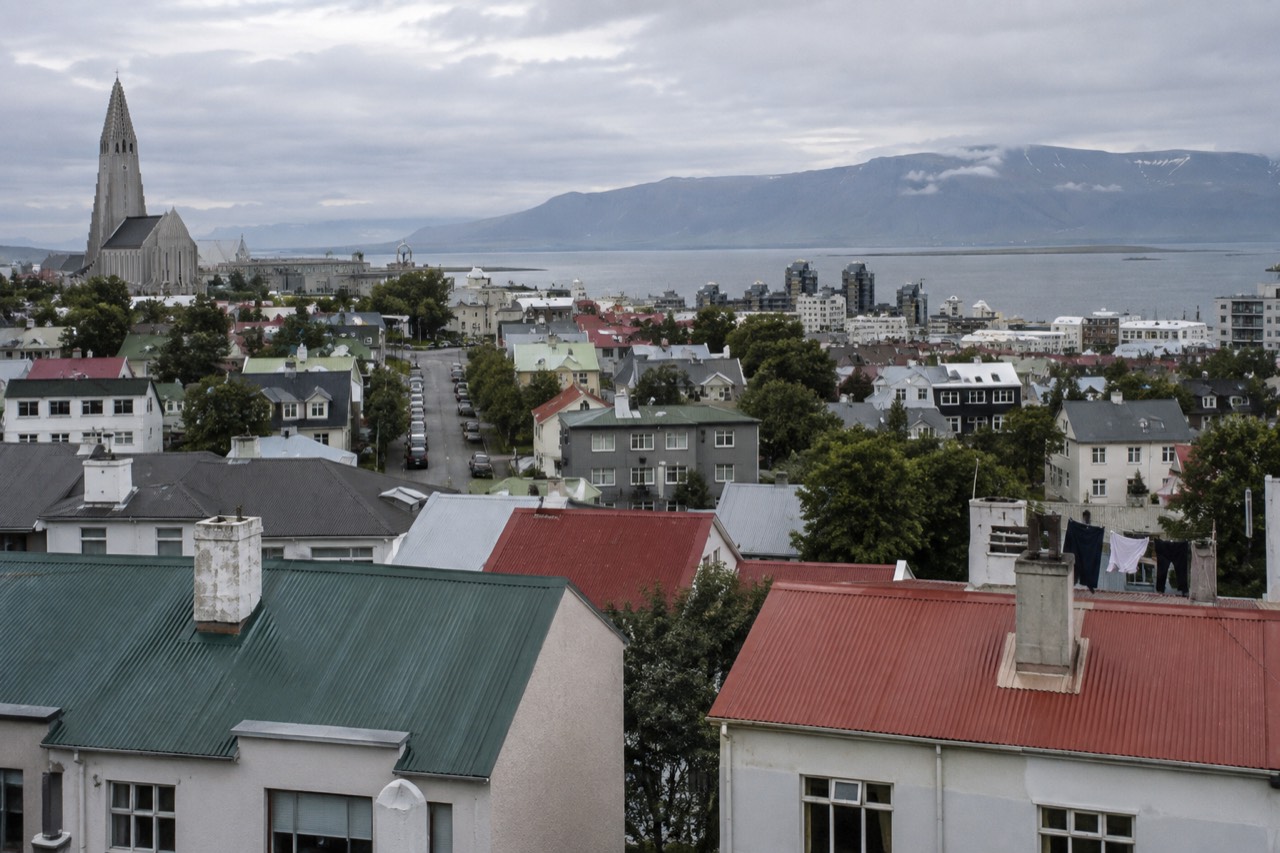
Yes, Iceland is one of the most expensive countries in Europe to visit. A coffee runs 700 to 900 ISK, a beer 1,400 to 1,800 ISK, and a single capital-area bus ride costs 690 ISK. But the price gap narrows fast once you know what to skip: the walking tours, the parks, the viewpoints and the city's whole festival calendar cost nothing, and a hot dog still costs about the same as a coffee.
The honest answer has two halves. The first half is that the base costs, a bed, a meal, a drink, a bus, sit well above what most European visitors expect. The second half is that Iceland's best experiences are unusually generous with free access. The Sun Voyager sculpture, the Harpa foyer, the Tjörnin pond, the botanical garden, the street art, the hiking trails on Mount Esja, all of it is open to anyone at any hour, with no ticket desk in sight. This stop sits on a free walking route, Spanish-Language Legends Walk.
That second half is the reason this site exists. A visitor who plans around the free layer can spend a full weekend in Reykjavik and pay only for food and a bed. A visitor who plans around the ticketed layer can drop 6,100 ISK on a 24-hour Reykjavik City Card, 1,500 ISK on the Hallgrímskirkja tower lift and 2,550 ISK on the Art Museum in a single afternoon, and still feel shortchanged.
The site's own Free Things To Do In Reykjavik guide tracks the genuinely free layer in detail, and the pattern there is consistent: the city gives away its public spaces freely and charges hard for anything indoors, guided or motorised.
For a first evening in the city, the free walks are the cheapest possible orientation, and the two English-language options are both listed live:
Why Does Iceland Cost More Than Most Of Europe?
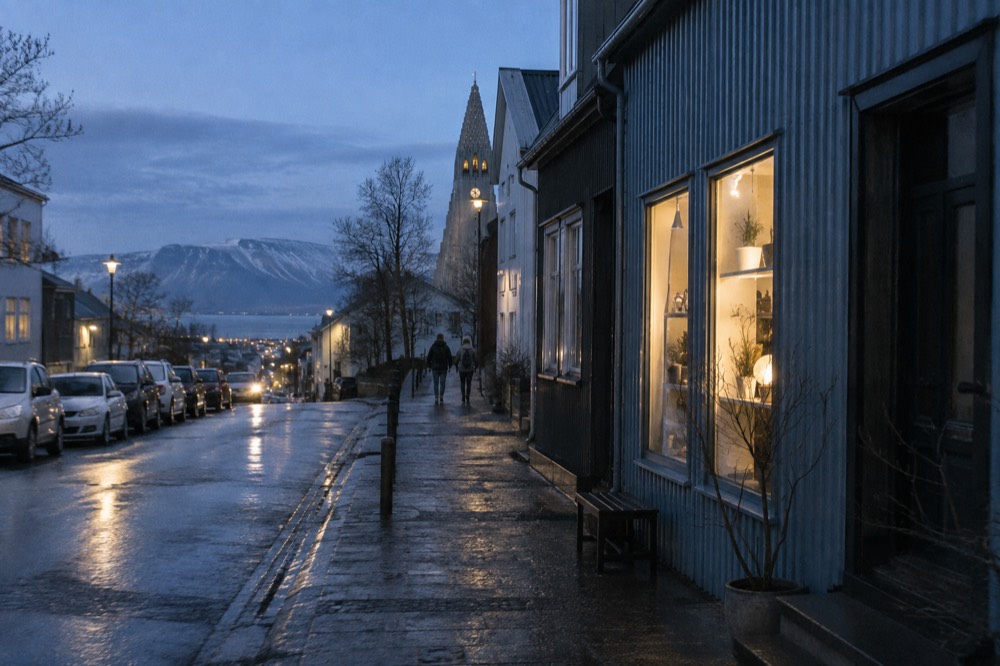
Three structural reasons: a small domestic market that imports most consumer goods, high wages and a krona that floats against the euro and dollar, and deliberate taxes on visitors. Since January 2026 every hotel night carries an 800 ISK lodging tax, and drivers pay a new per-kilometre road tax of roughly 6.95 ISK. None of these are avoidable, but all of them are predictable, and predictable costs can be planned around.
Island economics explains most of it. Three hundred and eighty thousand people live in a country that has to ship or fly in nearly everything sold in a shop, and the same fixed logistics cost is spread across a tiny customer base. Wages are high because the labour pool is small, and prices follow wages. The result is not price gouging, it is arithmetic.
The tax layer is newer. The lodging tax of 800 ISK per night per room applies to hotels and guesthouses, and 400 ISK to campsites and motorhome spots, collected as part of the bill. The per-kilometre road tax that replaced much of the fuel tax in January 2026 lands on rental car contracts, so self-drive itineraries cost more than the headline daily rate suggests. The Iceland budget planning guide breaks down where these charges actually appear on a bill.
Airport transfer is the first place the arithmetic shows up. The Flybus from Keflavík to the BSÍ terminal in Reykjavik costs 3,999 ISK one way per adult, and 5,299 ISK if you want the hotel-stop service, per the operator's own price page. The public Strætó route 55 runs the same corridor for roughly 2,400 ISK, which is the single biggest saving available on arrival day.
Parking in the centre adds up too. The P1 zone around the core charges 660 ISK per hour with a three-hour maximum, so a rental car is a liability in the city itself. The free parking guide maps which zones stop charging in the evenings and at weekends.
The free walking tours are the structural exception to all of this. CityWalk Reykjavík, the long-running dominant free walk in the city, runs daily at 10:30 and 13:30 from Austurvöllur square in front of the Parliament building, lasts two hours and about two kilometres, and charges nothing up front. It is listed on freetour.com, rated 9.6 out of 10 across 6,683 freetour.com reviews, and you pay what you feel at the end, in cash or by card. Typical tips run 2,000 to 5,000 ISK per person, which is still less than a single museum ticket.
How Much Do Food, Drink And Swimming Pools Cost?
A cheap sit-down meal runs about 3,300 ISK, a hot dog with everything 600 to 820 ISK, a coffee 700 to 900 ISK and a beer 1,400 to 1,800 ISK. A public swimming pool entry costs 1,500 ISK for an adult under the tariff in force since May 2026. Supermarket self-catering, petrol-station coffee and happy-hour beer are the three levers that pull a daily food budget down hardest.
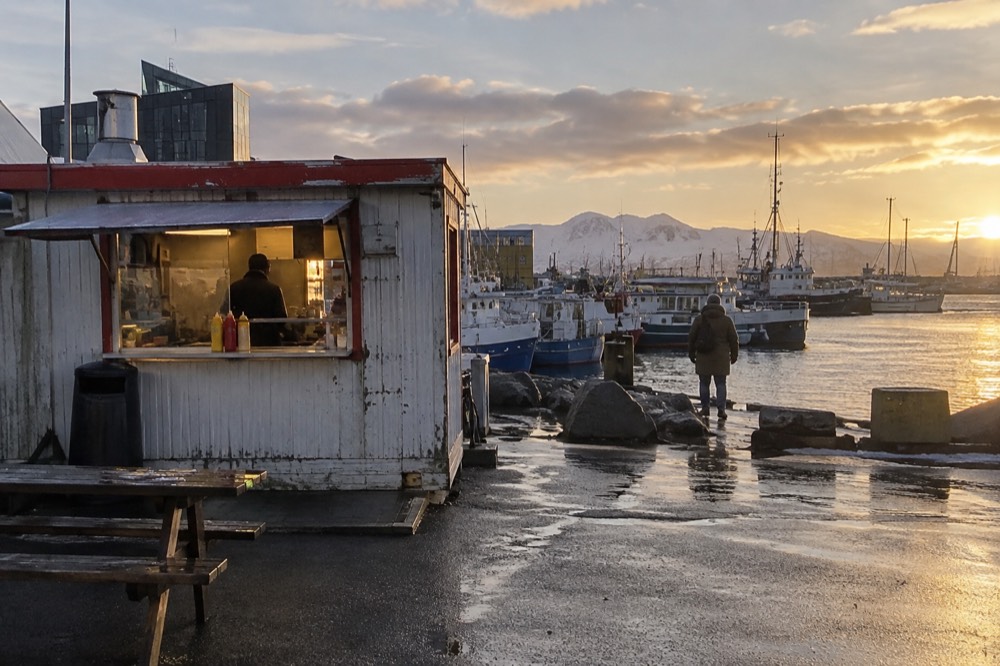
The hot dog is the famous one, and it earns its reputation. Bæjarins Beztu Pylsur at the harbour sells the classic pylsa with everything for roughly 600 to 820 ISK, which makes it cheaper than most coffees in the city. Two of them plus tap water is a legitimate lunch, and Reykjavík's tap water is safe, free and better than the bottled version, sourced from protected groundwater.
Cooking for yourself changes the maths completely. A basics basket from Bónus or Krónan, skyr, bread, deli items, runs about 900 to 2,500 ISK per person for a day of simple meals. The cheap eats guide lists where the price floor actually sits dish by dish, and the cheapest food in Iceland post covers the national picture.
| Item | Typical 2026 price | Budget workaround |
|---|---|---|
| Cheap sit-down meal | ~3,300 ISK | Supermarket picnic, ~900-2,500 ISK/day |
| Hot dog with everything | 600-820 ISK | Already the workaround |
| Café coffee | 700-900 ISK | Petrol-station coffee, ~300-400 ISK |
| Draught beer | 1,400-1,800 ISK | Happy hour, often 800-1,000 ISK |
| Public pool, adult | 1,500 ISK | Children under 10 free with an adult |
| Bus single fare | 690 ISK | Central Reykjavik is walkable |
The pool price deserves a caveat, because it is the most Icelandic thing on the list and it is not free. The city's own official tariff sets adult entry at 1,500 ISK, with children aged 10 to 17 at 400 ISK and under-10s free with an adult. Cheap by Icelandic standards, but not free, and the same applies to the Nauthólsvík geothermal beach, which charges year-round despite a widely repeated myth about a free summer window.
The smaller English-language walk is another way to spend almost nothing on an activity. Sweet Streets of Reykjavík, listed on GuruWalk and rated 4.6 out of 5 across 87 GuruWalk reviews, runs Monday, Thursday, Friday, Saturday and Sunday at 11:00 in English, meets at the Harpa concert hall, and takes up to 10 people with a minimum of 5 needed to run. It is cash only, so bring notes: on a pay-what-you-want walk the tip is the entire payment, and a visitor with no cash cannot pay the guide at all.
Both free walks share one thing that no paid tour in the city can offer, which is that the price is genuinely zero until you decide otherwise. Cancellation is free on the GuruWalk side as well, with the guide's own request that you cancel rather than no-show if your plans change.
Between the two walks, the CityWalk option is the one most visitors should book first: it runs every day of the week, it has the deeper review history, and its Parliament-square start sits right in the middle of everything else you will walk past anyway.
What Is Actually Free In Reykjavik?
More than in almost any comparable capital: the Harpa foyer and its Hljóðhimnar sound installation, the Sun Voyager sculpture, Rainbow Street, the Tjörnin pond, the Einar Jónsson sculpture garden, the botanical garden, the Old Harbour waterfront and more than 160 mapped street-art works, all cost nothing. Culture Night in August and Museum Night in February, during the Winter Lights Festival, are both genuinely free too, not free-with-a-card. One of the free walking routes passes through here: Morning Walk From Harpa, Cash Tips.
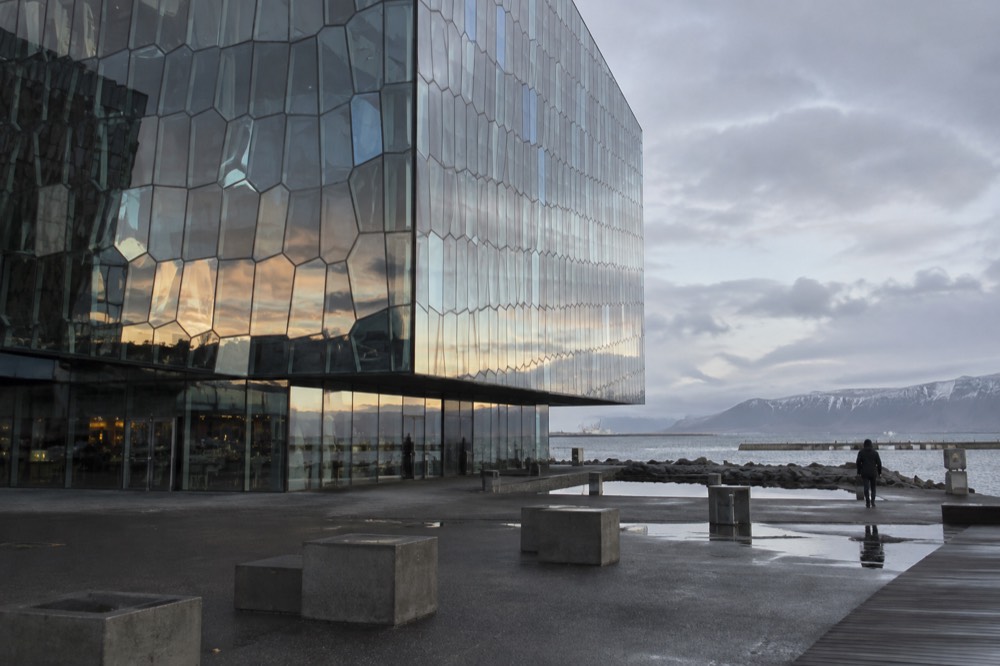
The indoor exception matters. Harpa's foyer is free to enter during opening hours, and the Hljóðhimnar sound installation on the ground floor is included, which makes it the one world-class building in the city you can experience without a ticket. The Perlan observation deck, by contrast, cannot be bought separately at all, it is bundled into every Perlan ticket, so the free alternative is the walk up Öskjuhlíð hill behind it, which gives a view almost as high.
Museums are where the "free" claims go to die. The Reykjavík Art Museum charges 2,550 ISK for adults with no free day, the National Museum charges 3,300 ISK, and the National Gallery 2,500 ISK. Under-18s get in free to all of them, which is a real saving for families, but an adult paying full price across the three sites spends more than a week of groceries. The free museums guide separates the genuinely free entries from the under-18 condition.
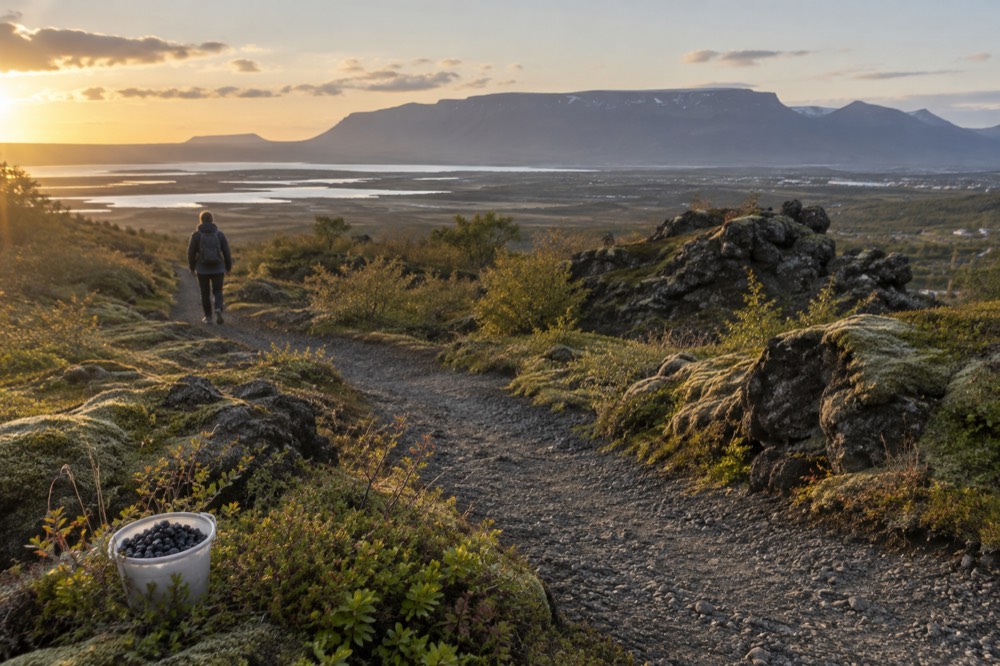
Outside the centre, the free layer gets bigger, not smaller. Heiðmörk, the 3,200-hectare nature reserve on the city's eastern edge, is open to everyone at no charge, with forest trails, lava fields and berry picking in late August and early September. It is the closest thing Reykjavík has to a national park in its own backyard, and the only cost is the bus fare or the petrol to reach it.
Is Free Hiking Easy To Reach From Reykjavik?
Yes, and it is some of the best in the country. Mount Esja, the ridge that dominates the city's northern skyline, has free marked trails from the bus stop at the foot of the mountain, and Öskjuhlíð and Elliðaárdalur are free walking country inside the city itself. No trail pass, no parking meter at the trailhead has been confirmed, and no permit system exists for any of them.
Esja is the one that surprises people. The trails start a short walk from a Strætó bus stop, and the summit paths give a view over the entire capital region that no paid observation deck matches. The city's tourism office lists it plainly under its free viewpoints, and the only planning note is weather: the upper trails are serious mountain terrain, and conditions change fast even in summer.
Closer in, Elliðaárdalur is a paved green valley with a salmon river running through it, fifteen minutes from the centre and free by definition as a city park. Öskjuhlíð, the wooded hill behind Perlan, is the same deal. Both work as evening walks when the midnight sun stretches daylight past 21 hours in late June.
Can You See The Northern Lights Without Paying For A Tour?
Yes. The aurora is a weather and sky phenomenon, not a ticketed attraction, and the public viewing spots around Reykjavik, Grótta, Öskjuhlíð, Elliðaárdalur, Klambratún and Rauðhólar, cost nothing to stand in. The season runs September to April, you need a clear, dark sky, and the bus fare to a dark spot is the only money involved.
The commercial tours sell convenience, not access. They drive you out of the city's light dome and they keep driving until the sky cooperates, which has real value on a short trip. But a visitor on a budget can check an aurora forecast app, look at the cloud map, and walk to Grótta on the Seltjarnarnes peninsula or up Öskjuhlíð on any clear night between September and April for the price of the walk there.
One caveat travels with Grótta: the causeway to the lighthouse floods at high tide, and the whole area is closed to visitors from 1 May to 15 July for the arctic tern nesting season. The northern lights guide covers the spots and the season in full.
How Do You Keep An Iceland Trip Affordable?
Plan the trip around the free layer and pay only for the things that are genuinely worth their price. Sleep outside the city centre or camp, eat one restaurant meal a day at most, walk everywhere inside Reykjavik, and put your money into one or two paid experiences you actually care about. Travellers who do this report daily costs closer to mainland Europe than to the horror stories.
Timing matters more than anything else. The cheapest month to visit Iceland question has a real answer in the shoulder seasons, when accommodation rates drop sharply and the free layer, hikes, waterfalls, the city itself, is exactly as free as in July. Winter adds the aurora and the free Winter Lights Festival to the same low-rate window.
The festival calendar is the best-kept secret in the country's pricing. Culture Night in August turns the whole city into a free programme, museums included, with free Strætó buses home after the fireworks. Museum Night in early February opens participating museums at no charge. National Day on 17 June is a full day of free parades and concerts. Ten free New Year's bonfires burn across the city on New Year's Eve. A trip timed to any one of these gets a paid-quality programme for nothing.
| Budget lever | Typical saving | Where it applies |
|---|---|---|
| Shoulder-season travel | Lower accommodation rates citywide | September to October, March to April |
| Free walking tour instead of paid tour | 2,000-5,000 ISK tip vs a fixed ticket | City centre orientation |
| Supermarket self-catering | ~1,000-2,500 ISK/day vs ~3,300 per restaurant meal | Bónus, Krónan |
| Bus 55 instead of Flybus | ~1,600 ISK each way | Keflavík airport transfer |
| Free festival dates | Museum entries and events at no charge | Culture Night, Museum Night, 17 June |
The last piece is honesty about what is not free, because pretending otherwise is how budgets break. The Hallgrímskirkja tower lift costs 1,500 ISK for an adult, per the church's own price page, even though the nave below it costs nothing. The Nauthólsvík beach charges 1,500 ISK year-round. The City Card is a paid product, 6,100 ISK for 24 hours, and anything described as "free with the City Card" is not free. And the Strætó single fare of 690 ISK, per the operator's pricing page, applies to every bus ride, so a 24-hour pass at 2,750 ISK pays for itself on the fourth trip.
The same honesty applies just outside the city. The Reykjadalur hot river near Hveragerði is free to hike and free to bathe in, but the trailhead parking at Árhólmar is charged and no official tariff is published, so budget for an unknown amount rather than assuming zero. Þingvellir National Park is free to enter but parking a small car costs 1,000 ISK for the day. Viðey island has no admission fee, but the Elding ferry over is 2,500 ISK for an adult. Each of these is cheap, none is free, and knowing the difference before you go is the whole game.
Common Questions About Iceland Costs
Is Iceland Expensive?
Yes, by European standards it is one of the most expensive countries to visit, with a cheap restaurant meal around 3,300 ISK and a beer at 1,400 to 1,800 ISK. But the free layer is unusually large: walking tours, parks, hiking, viewpoints, the aurora and the festival calendar all cost nothing, so a planned trip costs far less than an unplanned one.
How much does a meal cost in Iceland?
A cheap sit-down meal runs about 3,300 ISK, a hot dog with everything 600 to 820 ISK, and supermarket self-catering about 900 to 2,500 ISK per person per day. Petrol-station coffee at 300 to 400 ISK is roughly half the café price.
What is the cheapest month to visit Iceland?
The shoulder seasons, particularly September to October and March to April, combine lower accommodation rates with most of the free layer intact, and in the late-winter window the northern lights season is running. Prices peak in June to August.
Is Reykjavik expensive to visit?
Reykjavik carries the country's highest prices for beds and meals, but the city itself is compact enough to walk end to end, which removes transport costs, and its core attractions, Harpa's foyer, the Sun Voyager, Tjörnin, Rainbow Street and the sculpture garden, are all free.
Do you need cash for the free walking tours?
CityWalk accepts cash or card tips at the end, but Sweet Streets is cash only, so bring notes if you book that one. Typical tips run 2,000 to 5,000 ISK per person, and on a pay-what-you-want walk the tip is the entire payment.
Can you see the northern lights without paying for a tour?
Yes. The aurora is free to anyone standing under a clear dark sky between September and April, and Grótta, Öskjuhlíð and Elliðaárdalur are the standard free spots around Reykjavik. A tour buys convenience and transport, not the lights themselves.